Last updated November 21, 2026
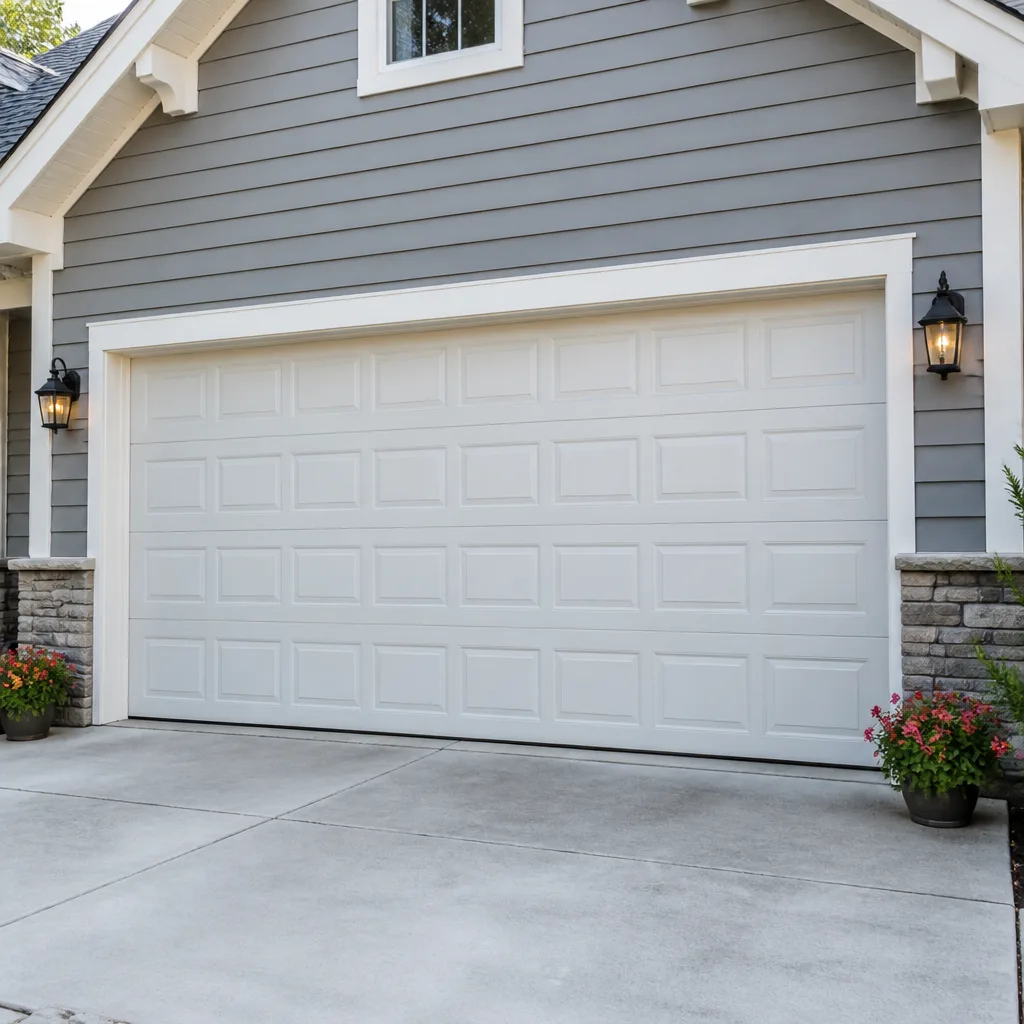 Raised-panel steel
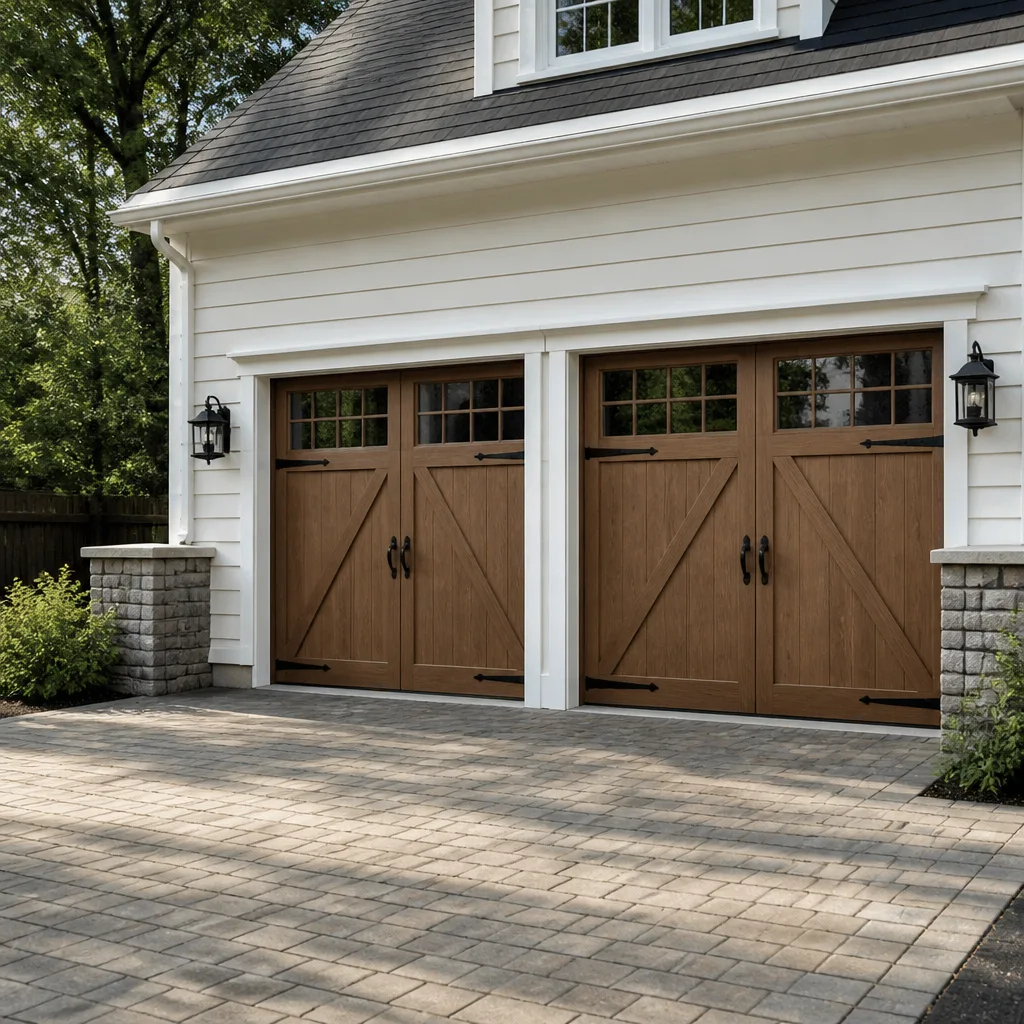 Carriage house
 Modern flush
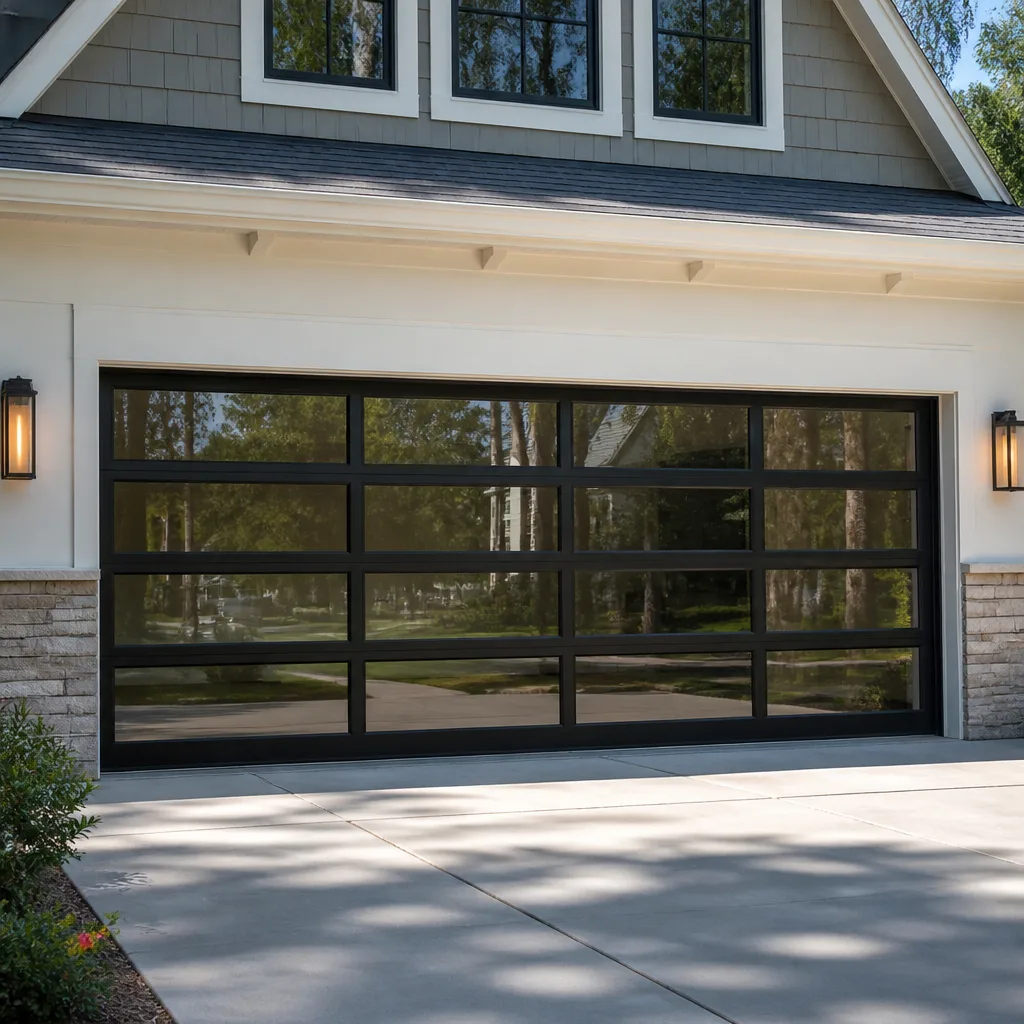 Full-view glass
 LiftMaster openers
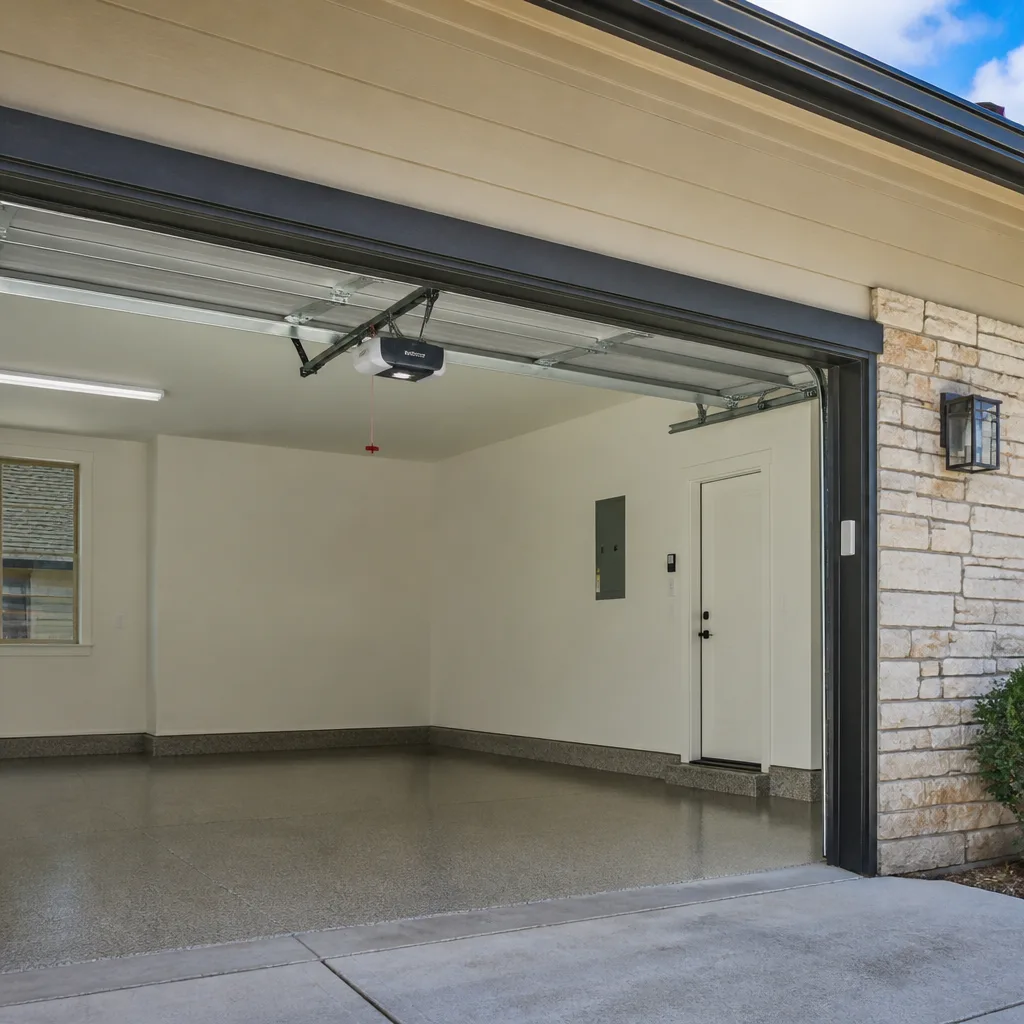 Chamberlain openers
Full 25-point door and opener safety check with every visit - springs, cables, rollers, tracks, and your LiftMaster or Chamberlain opener included
You get a price before we start. It does not change when the pro arrives.
Get your free estimateGarage Door Permits, Codes & Inspections in Pelham Bay, NY: What You Need to Know
A new garage door is one of the few home improvements that can look completely legal, work perfectly for years, and still create a paperwork problem when you sell the house. That’s the part most Pelham Bay homeowners miss. Repair work and replacement work are treated differently under New York City rules, and the line between them isn’t always obvious from the outside. A panel swap might need nothing. A same-size door replacement might need a filing. Understanding which is which before you sign a contract saves you a headache later, and this guide walks through the threshold, the fire separation rules for attached garages, the wind and impact specs that apply in the Bronx, and how to check for open permits on a property you’re about to buy. We’ll keep the city’s language plain.
Quick Answer
In Pelham Bay and the rest of New York City, a like-for-like garage door repair – replacing a spring, a roller, a panel, or an opener – generally does not require a permit. Replacing the entire door assembly, changing its size, altering the opening, or changing the door’s material or configuration usually counts as an alteration that requires a permit filing with the NYC Department of Buildings. When a permit is required, the job isn’t legally closed until an inspector signs off and a Certificate of Completion is issued. If you’re unsure which category your job falls into, ask your licensed contractor and confirm with the Buildings Department before the work starts.
Styles & brands we work with
- Raised-panel steel
- Carriage house
- Modern flush
- Full-view glass
- LiftMaster openers
- Chamberlain openers
Table of Contents
- Repair or Alteration? The NYC Threshold That Decides Everything
- Fire Separation Rules and Door Material in Attached Garages
- Wind Load and Impact Resistance in Bronx Door Installations
- The Certificate of Completion and Inspector Sign-Off
- How to Check Open Permits Before You Buy
- What an Unpermitted Garage Door Means for a Buyer
- The Permit Process, Step by Step
- When to Call a Professional
Repair or Alteration? The NYC Threshold That Decides Everything
The single most important question in this whole guide is whether your job is a repair or an alteration. In general terms, a repair restores a component to working condition without changing the door’s overall assembly, size, or the structure around it. An alteration changes the assembly itself. New York City treats those two categories differently when it comes to filing. A repair typically needs no permit. An alteration typically does.
Here’s how the split usually plays out on a job in Pelham Bay:
- Usually a repair, no permit: replacing torsion or extension springs, swapping rollers and hinges, replacing a broken cable, changing a weather seal, repairing or replacing an opener, adjusting tracks.
- Usually an alteration, permit likely required: installing a completely new door and assembly, changing the door’s width or height, converting from one door style to another, modifying the opening or the framing, or changing the material of the door itself.
- The gray zone: a full section replacement on the same size and model can look like a repair to a homeowner but read as a replacement to an inspector, especially if the door’s rated performance changes. When it’s borderline, the safe move is to ask.
We’ve learned to treat the gray zone with care. If a job could be read either way, the honest answer is to check with the city’s building department rather than guess. A quick call now beats a surprise later, and it costs nothing to ask. For a straight component repair – a snapped spring, a dead opener – you’re almost always in clear water. That’s the work we do every week, and garage door repair at the component level rarely touches the permit question at all. A Pelham Bay homeowner with a broken spring doesn’t need a filing; a Pelham Bay homeowner swapping the whole door probably does.
Fire Separation Rules and Door Material in Attached Garages
Plenty of homes around Pelham Bay have the garage attached to the house, sharing a wall or a ceiling line. That arrangement brings fire separation into the picture. The principle is straightforward: the wall and door between an attached garage and the living space are supposed to slow a fire long enough for people to get out. Under New York City code, that generally means the separation has to hold its rating, and the garage door itself has to meet certain requirements when it’s part of that barrier.
Why this matters for material choice:
- An attached garage’s vehicle door often has to be a fire-rated assembly, and swapping in a cheaper, non-rated door can break the separation.
- If your door opens from the garage to the house (a pass door), that door is usually required to be self-closing and solid, with the right rating.
- Windows in a garage door can affect how the assembly performs in a fire, so a door with glass may need a different spec than the one you’re replacing.
- Changing door material – steel to wood, for example – can change the rating of the assembly, which is one reason a material swap usually triggers a permit filing.
This is where a lot of well-meaning homeowner decisions go sideways. Someone picks a door they love the look of, installs it, and only later realizes the assembly doesn’t meet the separation requirement for an attached garage. In Pelham Bay, where so many homes sit close to their neighbors and the garages are often tucked under or beside the living space, getting the rating right isn’t paperwork for its own sake. It’s part of the safety envelope of the house.
A reputable garage door specialist should ask about attached versus detached before recommending a door. If they don’t, that’s your cue to ask them. For a Clopay or Amarr installation, the manufacturer’s spec sheet tells you what rating the assembly carries – ask to see it.
Wind Load and Impact Resistance in Bronx Door Installations
The Bronx sits close enough to open water that wind is a real design consideration for garage doors. New York City’s building code includes wind load provisions, and a new door installation generally has to meet them. That means the door assembly needs to be rated for the wind pressures at that location, and the anchoring, the track, and the reinforcement all contribute to whether the assembly performs as designed.
What this means in practice for a Pelham Bay installation:
- The door you buy needs a manufacturer’s rating that matches the wind pressure at your address – not a generic “heavy duty” label.
- Reinforcement struts, heavier-gauge track, and proper anchoring all matter more in a wind-rated assembly than in a light-duty one.
- Impact resistance is a separate question from wind load. If your opening calls for impact-rated glazing, the door has to be built for it.
- Because the rating is tied to the specific assembly, swapping components later can void it. If a rated door gets a non-rated panel, the whole assembly might no longer meet the spec it was permitted under.
This is the part of a new installation that a generalist is most likely to miss. It’s also why we handle door replacements as specialists. A door that meets the wind spec is a system – the door, the hardware, the anchoring, the track. Get any one piece wrong and the rating doesn’t hold. When a homeowner asks us for a specific wind rating on a new door in this part of the Bronx, we pull the manufacturer’s documentation rather than guess. That habit comes from working the major brands every week – LiftMaster and Chamberlain for the opener side, Clopay and Amarr for the door assemblies.
The Certificate of Completion and Inspector Sign-Off
When a permit is required, the job has a second stage that a lot of homeowners never hear about: the inspection and the Certificate of Completion. A permitted job isn’t legally finished when the last screw goes in. It’s finished when an inspector has reviewed the work and the completion document is issued. Skip that step and you have an open permit on record, even if the door works perfectly.
The typical sequence looks like this:
- The contractor files the permit with the NYC Department of Buildings before work begins.
- Work is performed to the filed scope – door type, size, rating, anchoring.
- The contractor arranges an inspection once the work is done.
- The inspector reviews the installation against the filed plan.
- A Certificate of Completion is issued when the work passes.
The Certificate of Completion is the piece of paper that proves the job was done under permit and closed correctly. It’s what a title search will look for years later, and it’s what an insurer may ask for after a claim. Without it, the permit stays open in the system. In Pelham Bay, where homes change hands and the new owner often inherits whatever paperwork the previous owner left, that open record is the thing to watch for.
One honest caveat: the exact inspection steps and timing depend on the scope of the job and the Buildings Department’s process at the time. The best source of truth is always the city’s own building department, not a website – including this one. But the shape of the sequence above holds, and the takeaway is simple: if a permit was filed, insist on seeing the completion document before you consider the job done.
How to Check Open Permits Before You Buy
If you’re buying a home in Pelham Bay, checking for open permits is one of the least glamorous and most useful things you can do during due diligence. A garage door installation done without the right filing won’t show up in a walkthrough. It shows up in the records. Here’s the order we’d work in:
- Ask the seller for documentation of any garage door replacement – the permit number and the Certificate of Completion, if one exists.
- Search the property’s permit history through the NYC Department of Buildings’ online tools, using the address.
- Look specifically for open or unresolved permits, not just past filings. An open permit is the flag.
- Compare the door on the house to what the records describe, if the records show a replacement.
- Ask your attorney to request a formal records check as part of the closing process.
- If an open permit shows up, ask the seller to close it, or get a written plan and cost for doing so before you sign.
This step costs you an hour and can save you a mess. We’ve talked with Pelham Bay buyers who didn’t think to look, and the ones who do tend to sleep better. The Buildings Department’s tools are public, and a buyer who knows how to use them is a buyer who doesn’t get surprised.
While you’re at it, check the same records for the home’s other systems – a garage door is one item on a longer list, but it’s the one this guide is about. If a door replacement shows in the records with a proper completion, that’s a small green flag: someone cared enough to do it correctly.
What an Unpermitted Garage Door Means for a Buyer
So what happens if you find an unpermitted garage door installation on a property you’re buying? The short answer: it’s a paperwork problem, not usually a structural disaster, but it’s a problem you don’t want to inherit blind. An unpermitted installation means the work wasn’t reviewed by an inspector, so nobody confirmed the door meets the wind rating, the fire separation requirement for an attached garage, or the anchoring standards the assembly was designed for.
The practical consequences tend to fall into a few buckets:
- At resale: a title search can surface the open permit, and the closing may stall until it’s resolved. It’s usually fixable, but it costs time and sometimes money.
- After an insurance claim: if a damaged door was never permitted, the insurer may ask questions about the installation. We’ve seen claims get sidelined while the paperwork gets sorted out.
- Safety: an unpermitted door might be the wrong rating for the opening, or anchored in a way that doesn’t match the manufacturer’s spec. That’s the part you can’t see from the driveway.
For a buyer, the move is to get the issue on the table before closing. Ask the seller to close the permit, or negotiate a credit for the cost of doing it. For a Pelham Bay homeowner who’s already installed a door without filing, the fix is usually to work with a licensed contractor and the Buildings Department to bring the installation into compliance. It’s not the end of the world, but it’s easier to handle now than at the closing table. When the door itself needs work – a spring, an opener, a full replacement – the goal is garage door installation done to spec, with the paperwork to match.
The Permit Process, Step by Step
If your job does require a permit, here’s the general sequence a homeowner can expect. The exact forms and fees come from the city, so treat this as the shape of the process rather than a paperwork checklist.
- Confirm the scope. Decide what’s changing – the whole door, the size, the material, or just a component. This determines whether a permit is needed at all.
- Get a written estimate and spec. The contractor should give you the door model, the rating, and the installation details in writing, because those details are what the permit filing is based on.
- File the permit. A licensed contractor files with the NYC Department of Buildings before work starts. Never let work begin on a permitted job before the filing is in.
- Install to the filed scope. The door that goes in should match what was filed. If the plan changes mid-job, the filing has to change too.
- Arrange the inspection. Once the work is complete, the contractor schedules the inspection.
- Get the Certificate of Completion. Keep this document with your home records. It’s the proof the job closed correctly, and it’s what a future buyer or insurer will want to see.
For a same-size component repair – a spring, an opener, a roller – you skip the whole list. That’s most of the work we do. For a full replacement, the list applies, and it’s worth the extra time. If you’re scheduling a new door, we’ll quote you a written price and a free measure first, and we’ll walk you through what the filing will involve. The work on installation and replacement is measured and scheduled, not same-day, because the door has to be ordered to spec.
Common Mistakes to Avoid
- Assuming any door swap is “just a repair.” A new assembly is usually an alteration, not a repair. If the door, size, or material changes, ask about a permit before you buy.
- Letting work start before the permit is filed. A filing after the fact is harder to close than a filing before. Get the permit number before the installers arrive.
- Losing the Certificate of Completion. This is the document that proves the job closed. Keep it with your deed and closing paperwork, not in a junk drawer.
- Picking a door without checking the fire rating. In an attached garage – common around Pelham Bay – the door is part of the separation between the garage and the living space. Verify the rating before you buy.
- Ignoring the wind rating. In the Bronx, a new door needs to meet the wind load provision for the address. A generic “heavy duty” label isn’t a rating.
- Skipping the permit check when buying. A title search can surface an open permit, but only if someone looks. Make it part of due diligence.
- Hiring a generalist for a rated installation. A door that meets the spec is a system – door, hardware, track, anchoring. Get the assembly right or the rating doesn’t hold.
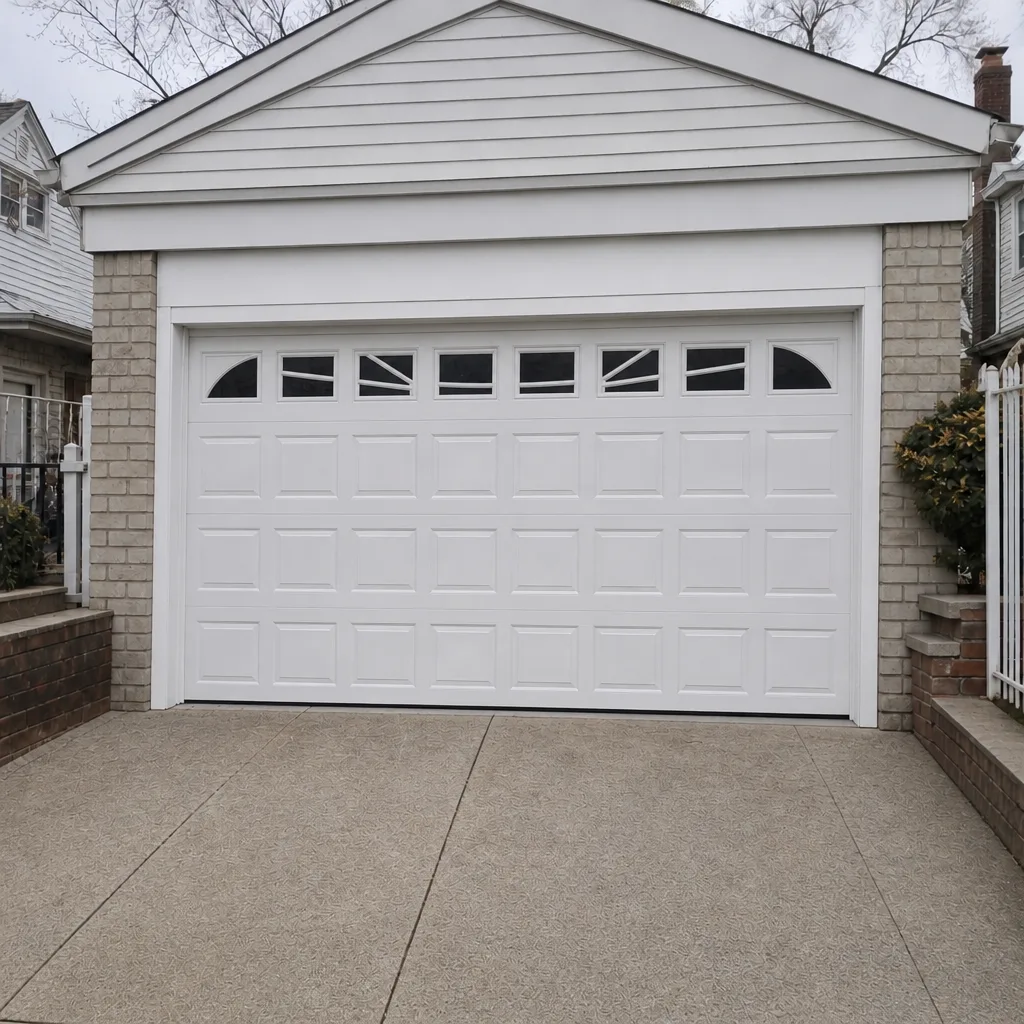
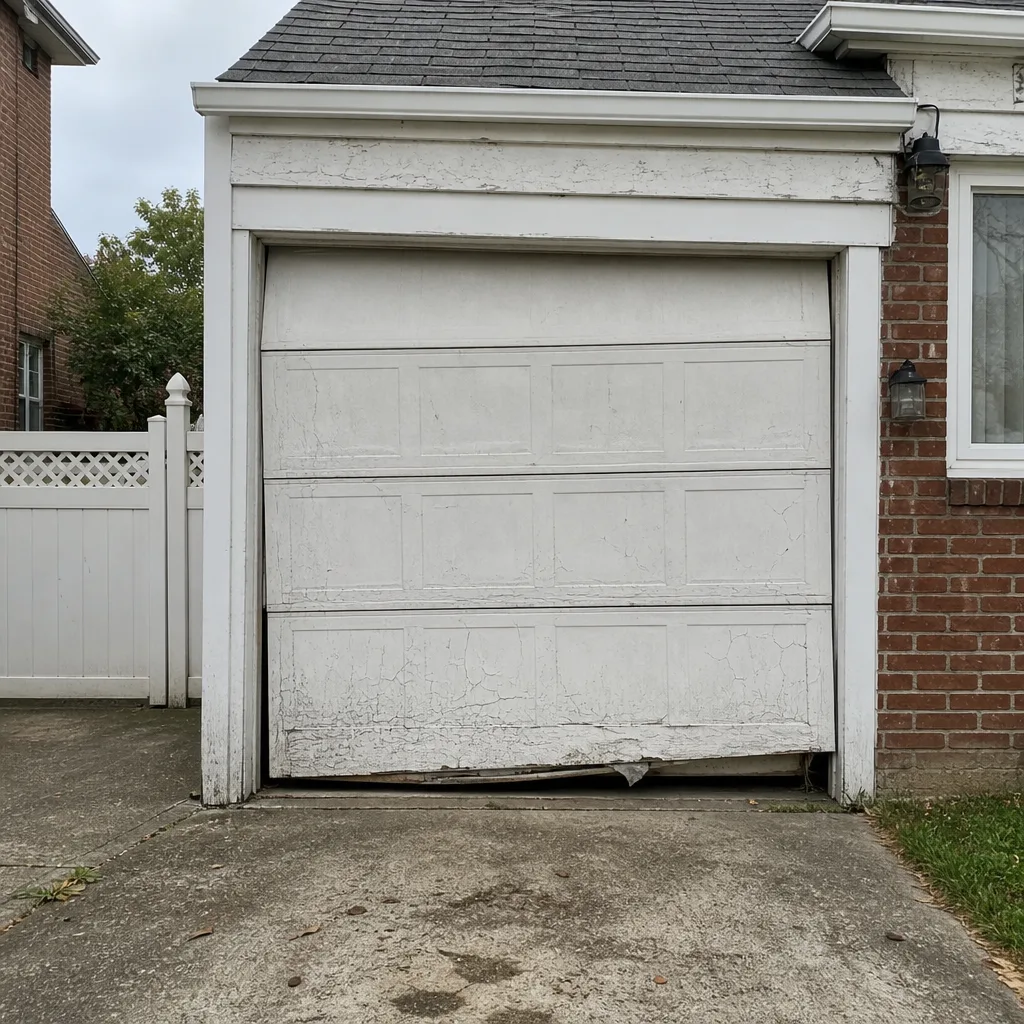
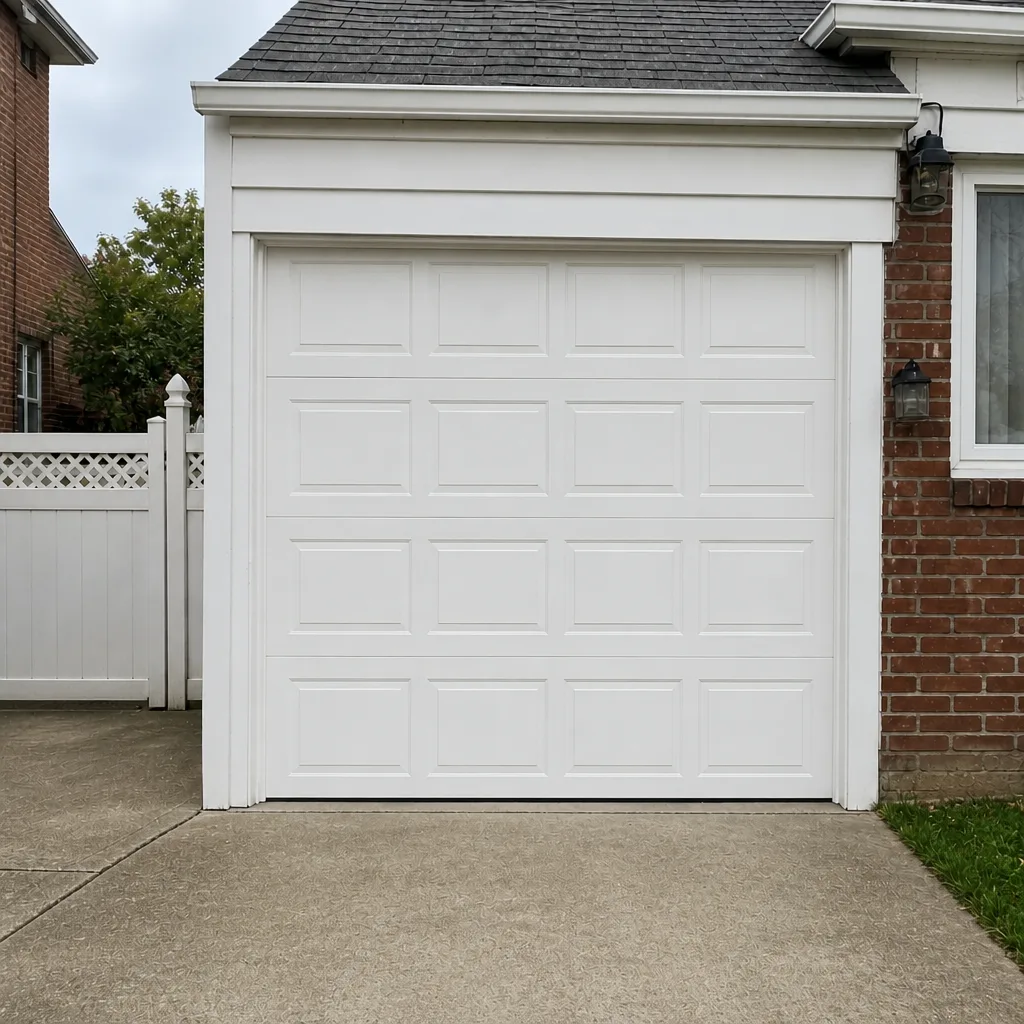
See the difference
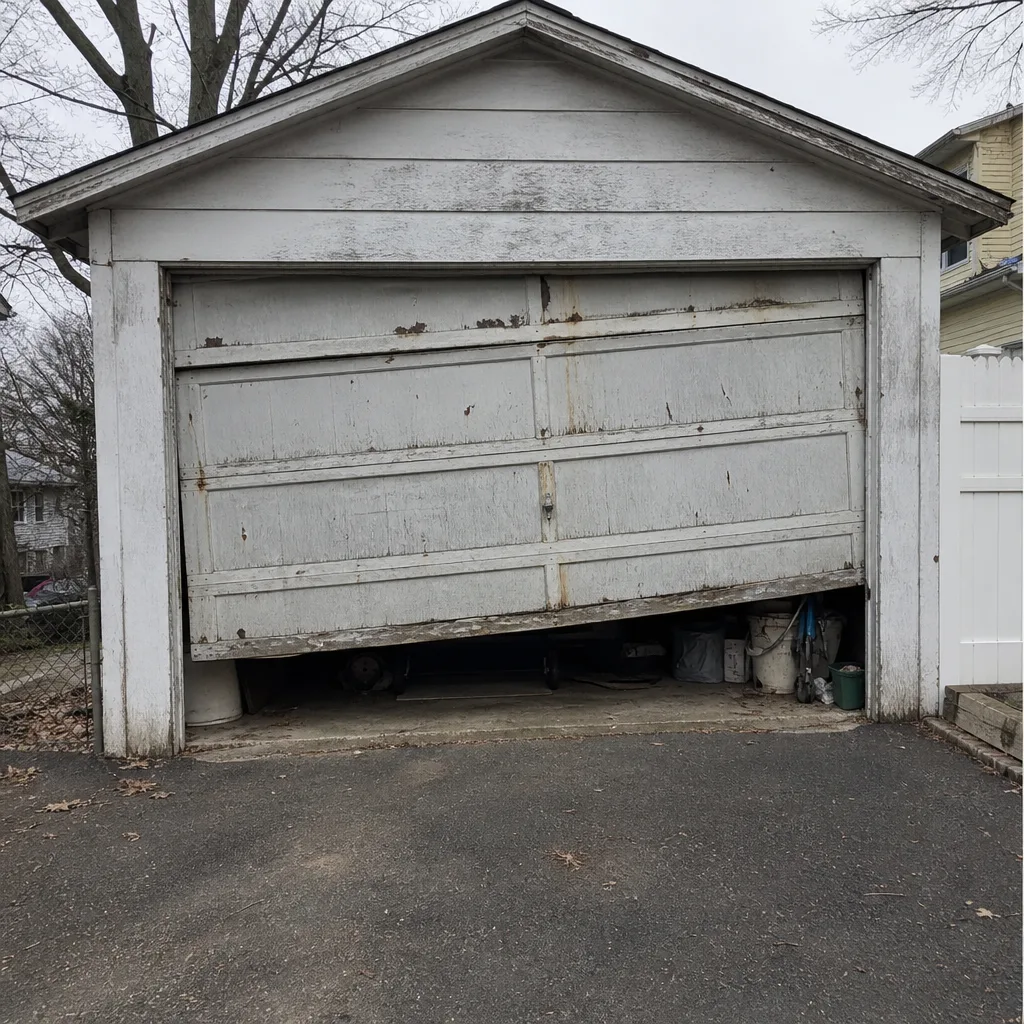 Before
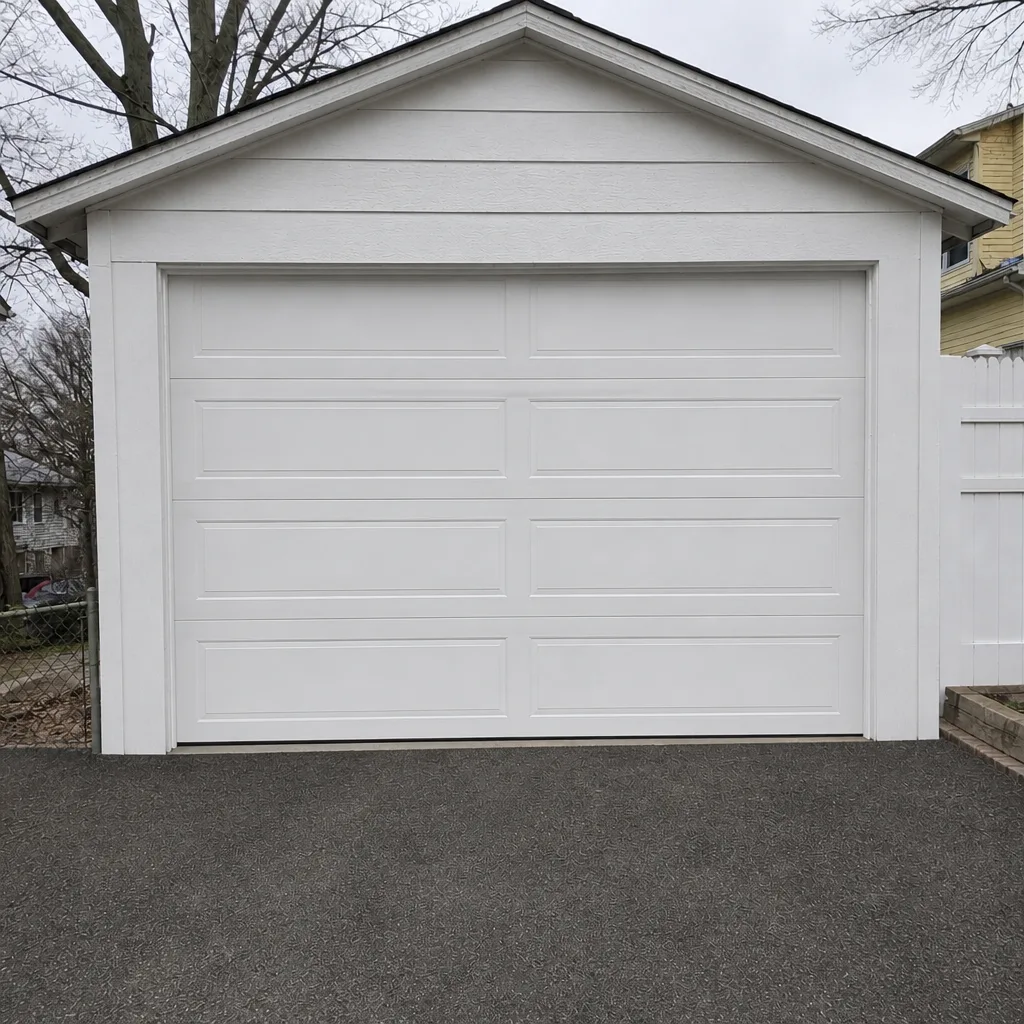 After
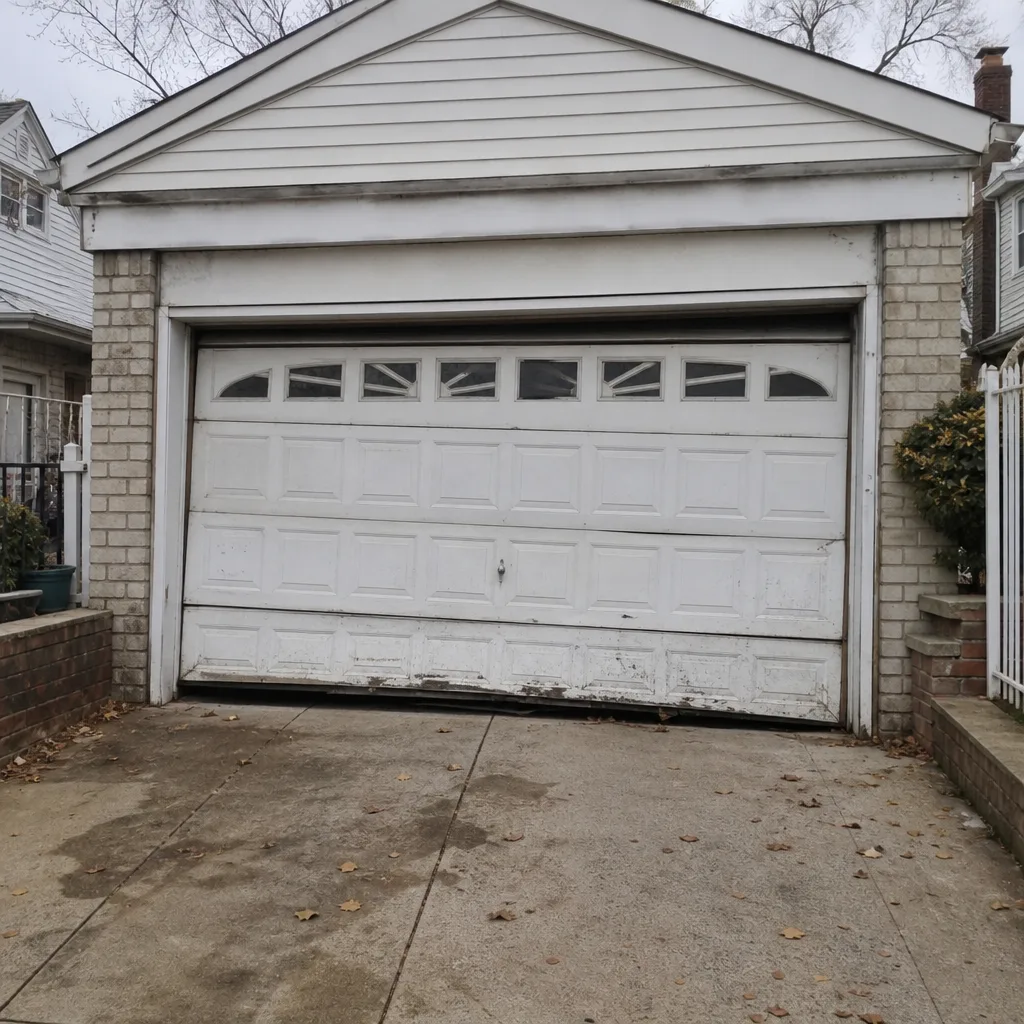 Before
 After
 Before
 After
When to Call a Professional
The permit question is one of several moments when a specialist saves you trouble. Call a professional when you’re planning a full door replacement, when you need to confirm whether a job counts as a repair or an alteration, when your door is in an attached garage and you don’t know its fire rating, or when you’re buying a Pelham Bay home and want the garage door records checked before closing. Call us too when a spring snaps, an opener fails, or a door comes off its track – those are repair jobs, usually permit-free, and we handle them as a dedicated service. Our technicians have up to 12 years of experience, and we work on LiftMaster and Chamberlain openers, Clopay and Amarr doors, and the major brands in between. Garage Door Repair Pelham Bay offers free estimates in Pelham Bay – call (877) 792-6840. The price is quoted and agreed before any work starts, and the written estimate sets the final price.
Frequently Asked Questions
Usually yes, if you’re replacing the entire door assembly or changing its size, material, or configuration. In New York City, a full replacement generally counts as an alteration that requires a permit filing with the Department of Buildings, while a like-for-like component repair typically does not. When in doubt, ask your contractor and confirm with the city’s building department. Call (877) 792-6840 for a free estimate – estimates are free.
No. Replacing a torsion or extension spring is a component repair, not an alteration, so it typically needs no permit. It is, however, the most dangerous repair on a garage door, and we handle it as a dedicated service for that reason. Spring work belongs with a trained technician, not a generalist. Call (877) 792-6840 for a free estimate.
A Certificate of Completion is the document issued after an inspector reviews a permitted job and signs off on it. It’s the proof the installation was done under permit and closed correctly, and it’s what a future buyer or insurer may ask to see. Without it, the permit stays open in the city’s records. Keep it with your home paperwork.
Search the property’s permit history through the NYC Department of Buildings’ public tools using the address, and ask your attorney to request a records check during closing. Look for open or unresolved permits, not just past filings. If one shows up, ask the seller to close it before you sign. For installation or repair work, call (877) 792-6840.
Often yes. The wall and door between an attached garage and the living space generally have to meet a fire separation requirement under New York City code, and the vehicle door can be part of that barrier. Verify the rating of the assembly before you buy a new door. Ask your contractor to show the manufacturer’s spec sheet.
It usually becomes a paperwork problem, not a structural one, but it still matters. An unpermitted installation can delay a closing when a title search turns up the open permit, and it can complicate an insurance claim. The fix is to bring the installation into compliance with a licensed contractor and the city. Call (877) 792-6840 for a free estimate.
A licensed contractor files the permit before work begins on a permitted job. We’ll walk you through what the filing involves and make sure the door you pick meets the rating requirements for your opening. Installation and replacement work is measured and scheduled, with a free measure and a written price up front. Call (877) 792-6840.
The written estimate sets the final price. We quote before work starts and agree the number with you in advance, so there’s no surprise invoice when the job is done. For a permitted installation, the quote covers the door and the install; the city’s permit fees are separate. Call (877) 792-6840 – estimates are free.
The Bottom Line
The permit question in Pelham Bay comes down to one split: repair or alteration. Component work – springs, openers, rollers, cables – generally needs no permit and can often be handled the same day. A full door replacement, a size change, or a material change usually needs a permit filing, an inspection, and a Certificate of Completion before the job is legally closed. If your door is part of an attached garage, the fire separation requirement shapes what door you can buy, and in this part of the Bronx the wind rating matters too. Before you buy a home here, check the permit records. And when the work needs doing, use a garage door specialist who knows the difference. Our technicians have up to 12 years of experience, we work on your brand, and we’re ready for emergency or scheduled jobs. Call (877) 792-6840 for a free estimate and a written price before any work starts. You can also start with garage door opener repair if the door itself is fine and the motor is the problem.
For the full picture of what we handle, see Garage Door Repair Pelham Bay. If you’re comparing options for a new door, our guide to Clopay and Amarr assemblies is worth a read before you pick a model.
Written by the team at Garage Door Repair Pelham Bay.