Last updated November 21, 2026
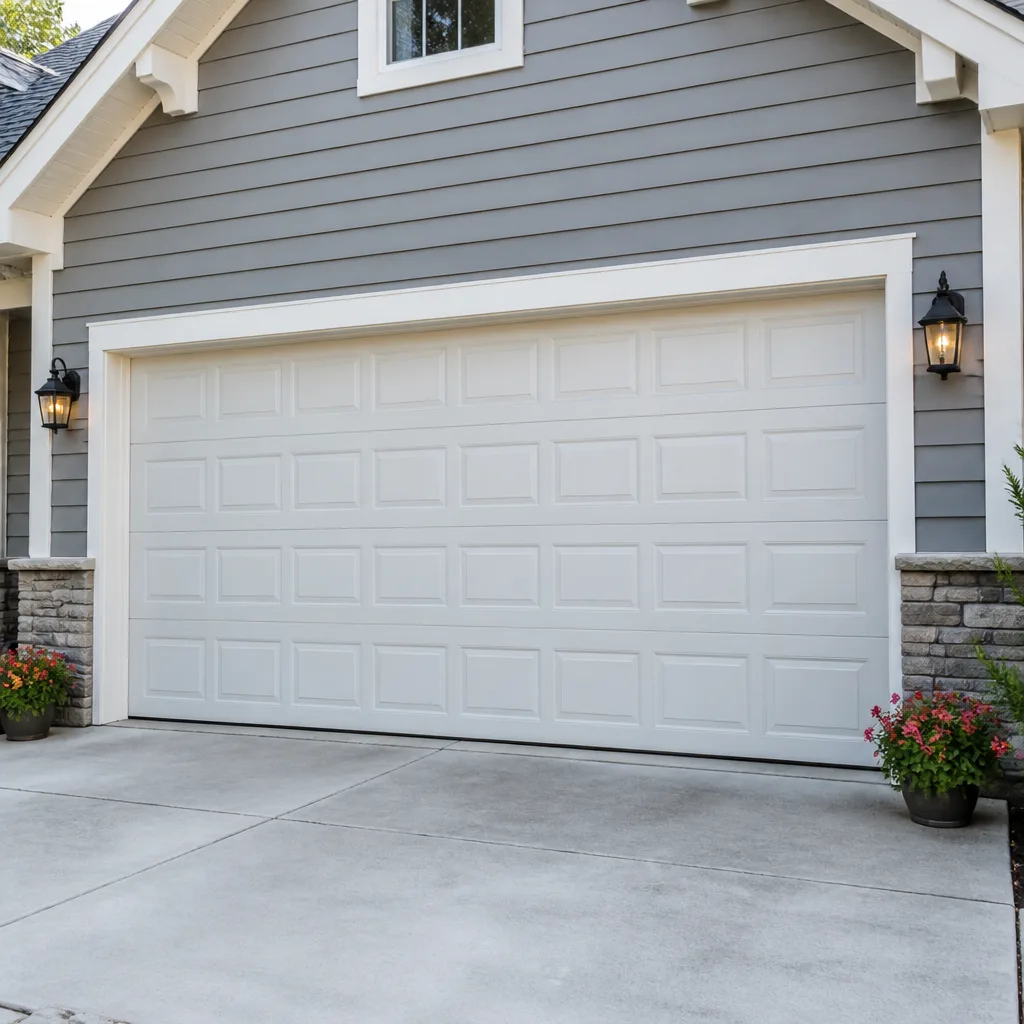 Raised-panel steel
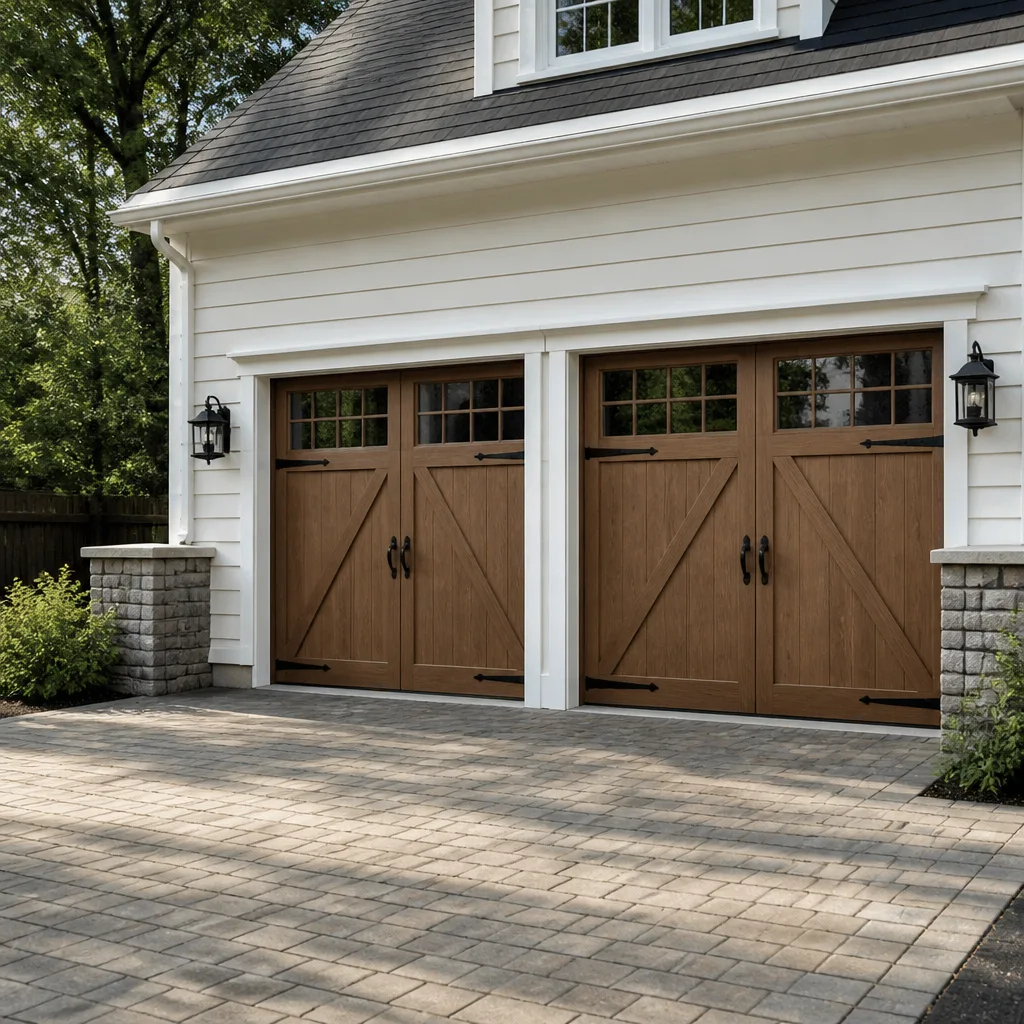 Carriage house
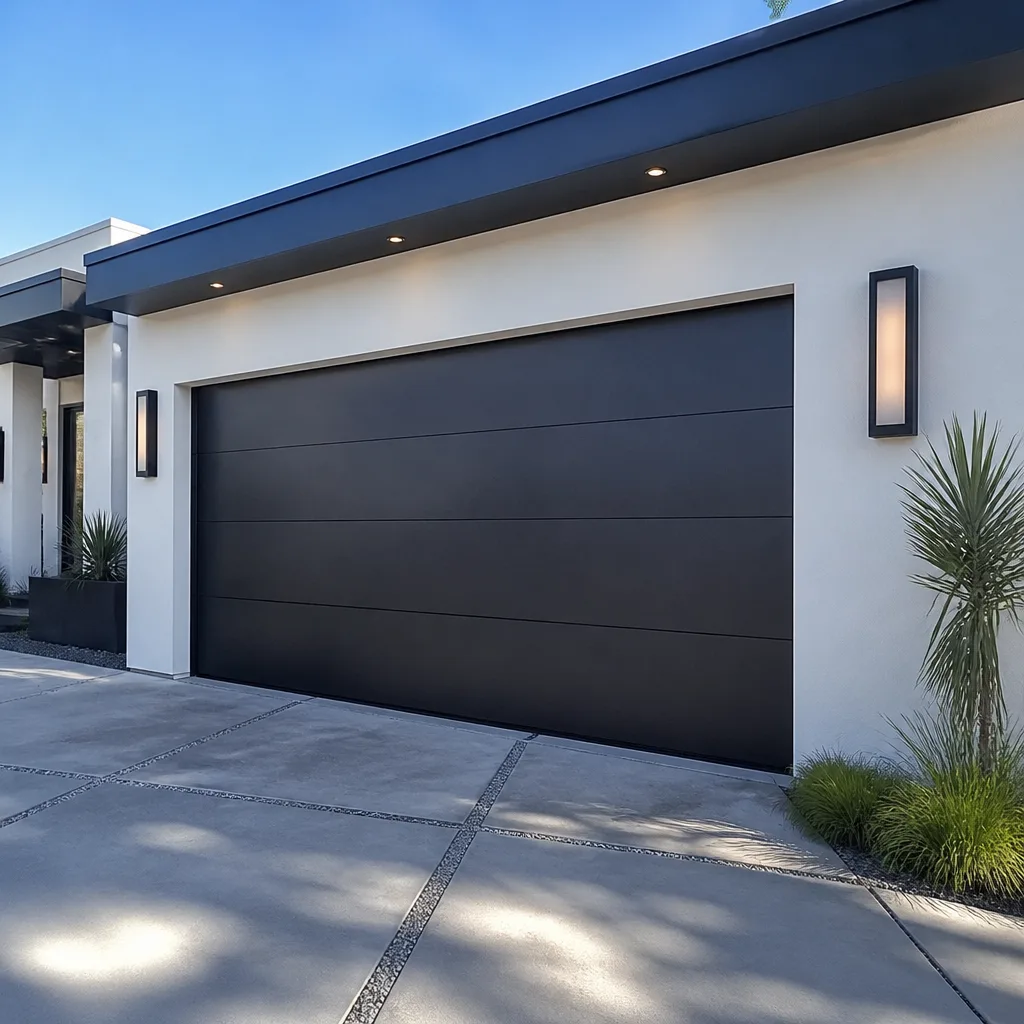 Modern flush
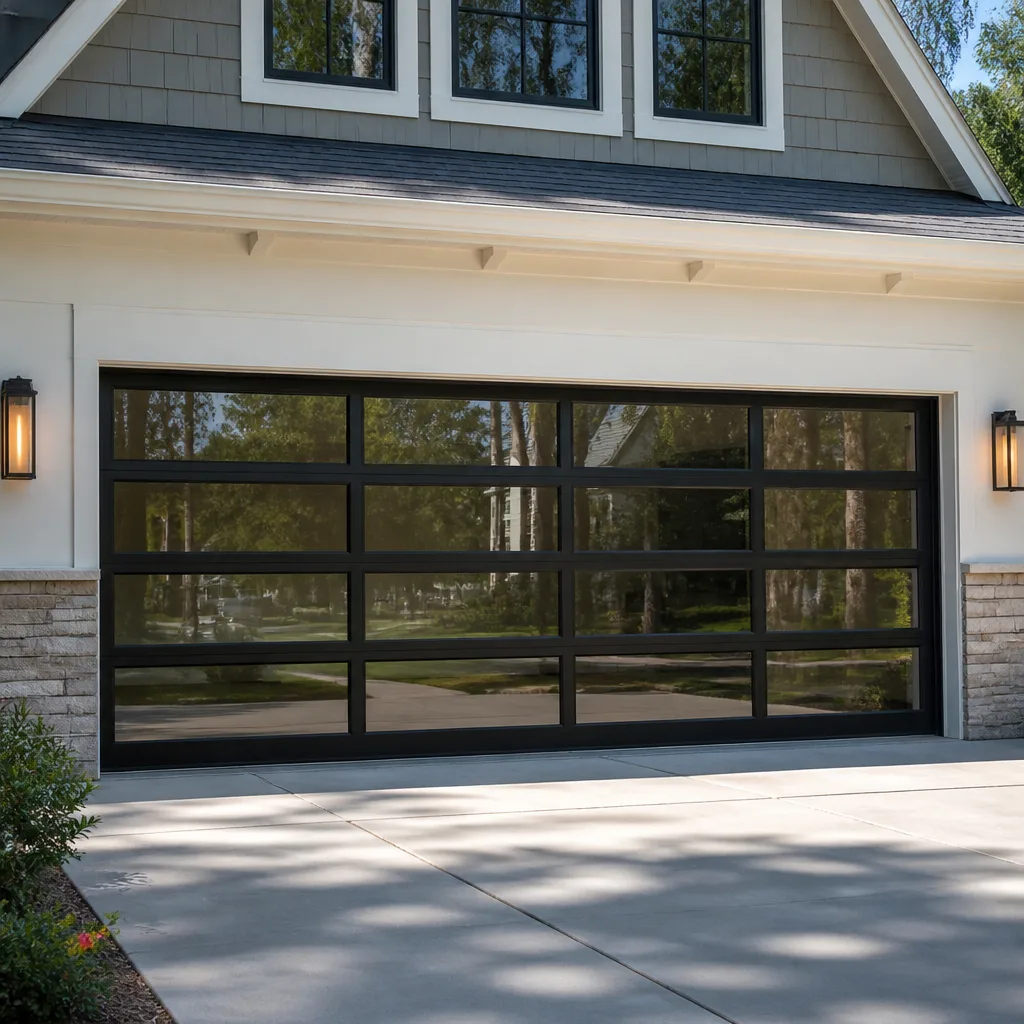 Full-view glass
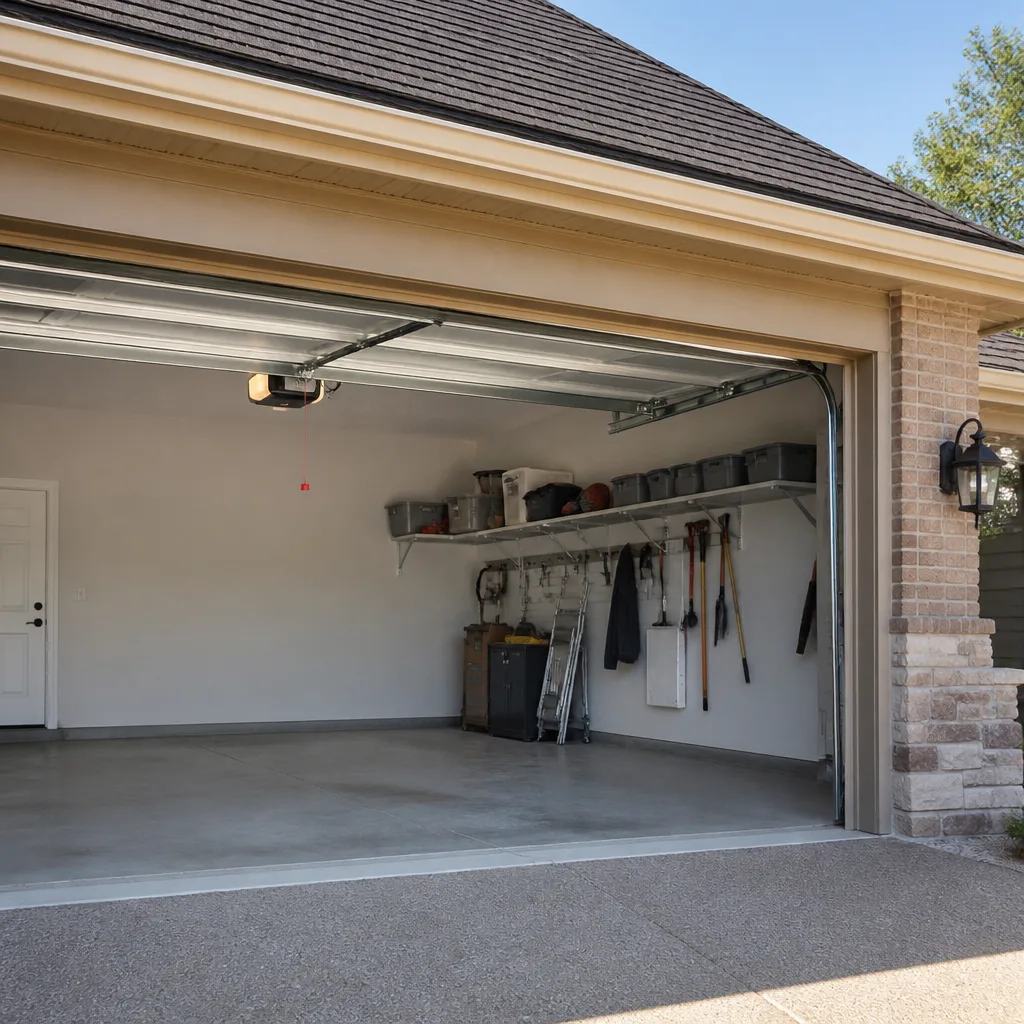 LiftMaster openers
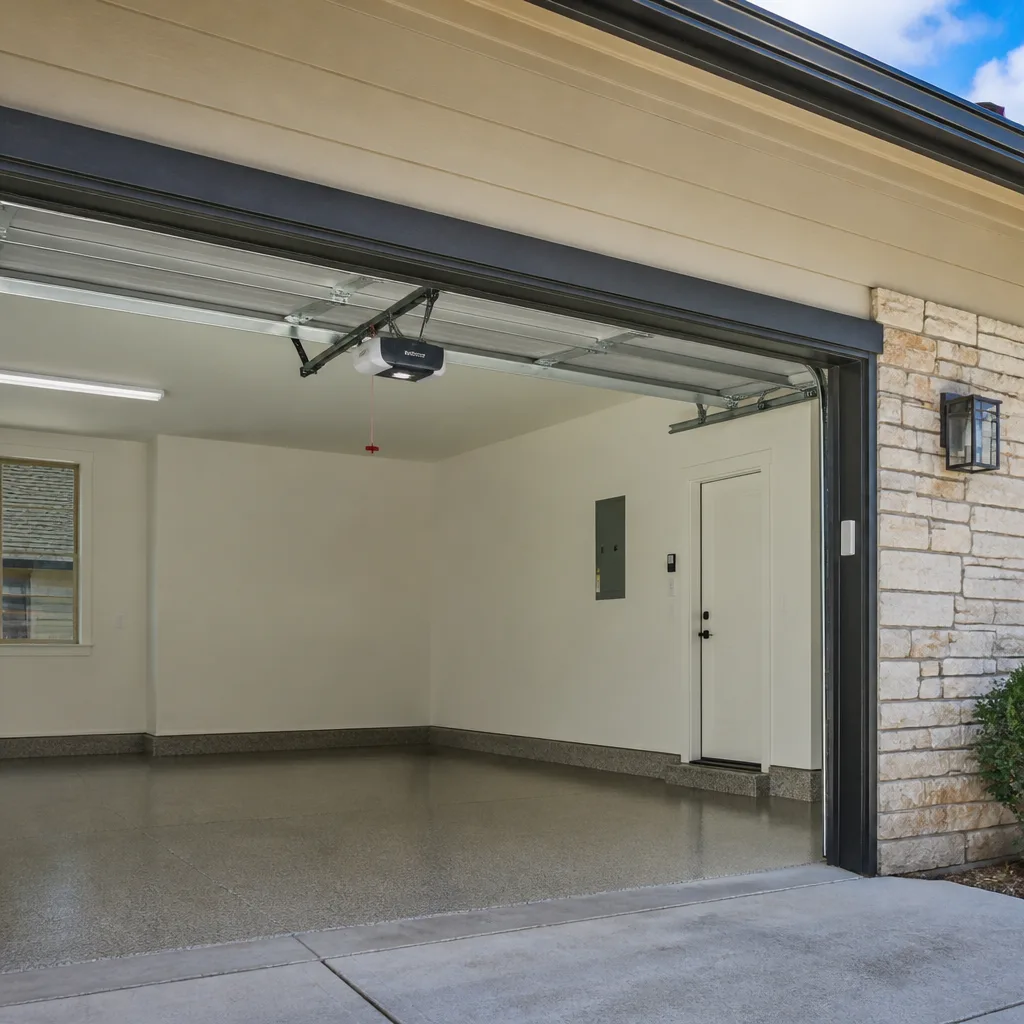 Chamberlain openers
Full 25-point door and opener safety check with every visit - springs, cables, rollers, tracks, and your LiftMaster or Chamberlain opener included
You get a price before we start. It does not change when the pro arrives.
Get your free estimateSeasonal Garage Door Care for Pelham Bay: Year-Round Homeowner’s Guide
The spring that snaps in February usually showed its first sign of fatigue the previous October, when lubricant thinned out and nobody noticed the extra half-second of lag on the way up. Most garage door failures aren’t sudden. They’re seasonal, and they build quietly over months. In Pelham Bay, the year runs a specific cycle against your door: floodwater pushing at the bottom seal in spring, humid summer air working on opener electronics, fall lubricant breaking down, then winter cold finishing off whatever was already weak. This guide walks through that cycle season by season, so you can catch problems at the cheap stage instead of the emergency stage. You’ll get the exact tasks, the timing, and a few things most homeowners get wrong.
Quick Answer
Seasonal garage door maintenance in Pelham Bay means four focused checkpoints: a spring thaw inspection for ground heave and seal damage, a summer check on opener circuit boards in humid weather, a fall lubrication and balance pass (the highest-payoff window of the year), and a pre-winter prep using cold-rated lubricant instead of standard WD-40 below 40°F. Done in the right order, these four checkpoints prevent most of the emergency spring and opener failures that happen in Pelham Bay every winter.
Styles & brands we work with
- Raised-panel steel
- Carriage house
- Modern flush
- Full-view glass
- LiftMaster openers
- Chamberlain openers
Table of Contents
- Why Seasonal Care Matters in Pelham Bay
- Spring Thaw: What Ground Heave Does to Your Door
- Summer Humidity and Your Opener’s Circuit Board
- Fall: The Highest-Leverage Maintenance Window
- Pre-Winter Prep: Lubricating in Cold Weather
- Adjusting Force and Limit Settings Seasonally
- Winter: The Season Springs Fail
- Your Pelham Bay Garage Door Calendar
Why Seasonal Care Matters in Pelham Bay
Pelham Bay sits in a part of the Bronx where the ground moves more than most homeowners expect. The neighborhood’s mix of low-lying blocks near the water table and raised lots means the soil under a driveway can swell in spring and shrink hard in a cold snap. That movement translates straight into your door: it pushes the bottom seal out of alignment, nudges the tracks, and loads the springs unevenly. None of the four checkpoints in this guide is expensive. The repairs that follow when you skip them are a different story, and most of them land in January or February, when you least want an unsecured garage.
There’s a second reason this neighborhood needs its own seasonal rhythm. Pelham Bay’s housing stock includes a lot of attached and semi-detached garages where the door shares a wall with the house. A failed bottom seal or a bent track on an attached garage lets water and cold air straight into the structure, not just onto the car. Dealing with that in October is a seal replacement. Dealing with it in March, after a freeze cycle, is often a seal, a track realignment, and a rusted bottom panel.
In our experience, homeowners who work the four seasonal checkpoints spend noticeably less on garage doors over a decade than homeowners who only call when something breaks. That’s not a sales line; it’s just how the math works when you catch wear at the cheap stage. We’ll show you each checkpoint in the sections below.
Spring Thaw: What Ground Heave Does to Your Door
Spring thaw is the first checkpoint of the year in Pelham Bay, and it’s the one most homeowners skip because nothing looks broken yet. Ground heave is the quiet problem: as the soil thaws and refreezes in the early weeks of spring, the slab or apron under the driveway can lift by fractions of an inch, then settle back. Over a few cycles, that movement pushes against the bottom of the door, works the bottom seal loose, and can knock the tracks a millimeter or two out of plumb. A millimeter is enough to make the door drag, and drag is what wears out opener gears and spring tension.
What to check after the thaw
- Bottom seal contact. Open the door a few inches and look across the full width where the seal meets the ground. If you see daylight under part of it, or the seal is peeled back at one corner, the ground has shifted the slab or the door.
- Track alignment. Stand back and sight down each vertical track. It should look perfectly straight. If either track bows inward at the bottom, the door is dragging and needs a realignment before it eats the rollers.
- Roller condition. Look at the rollers along the track. Any that have flat spots or are wobbling on their stems are already past their useful life and will multiply the drag.
- Weatherstripping and thresholds. Check the threshold seal across the driveway apron too. Thaw water finds every gap.
If your door has started dragging after the thaw, that’s a call-the-specialist moment rather than a DIY adjustment. We handle garage door repair for exactly this pattern: post-thaw misalignment that gets worse every week the door runs.
Summer Humidity and Your Opener’s Circuit Board
Summer in Pelham Bay brings the humidity that the neighborhood’s tree cover and river proximity make worse than most of the Bronx. That moisture is the quiet enemy of your opener electronics. The circuit board inside the motor housing sits in a metal box that traps warm, damp air against delicate components. Over a few summers, condensation cycles – warm days, cool nights – leave microscopic corrosion on the board. The board doesn’t fail all at once. It develops symptoms first, and those symptoms are your chance to get ahead of it.
Early symptoms that your opener’s board is struggling
- The door reverses for no obvious reason, then works fine on the next press.
- The wall button responds but the remote doesn’t, or it’s hit-or-miss by time of day.
- The opener runs slowly in the afternoon and speeds up in the evening – a humidity pattern, not a motor problem.
- You hear the motor run but the door barely moves – sometimes a capacitor, sometimes a control board signaling it’s fading.
- The light on the opener flickers or stays on without a press – that’s electronic, not mechanical.
If your opener is a LiftMaster or a Chamberlain – the two brands most common in Pelham Bay garages – the symptoms above are worth a diagnostic call rather than a replacement decision. We run dedicated garage door opener repair, and we’ve opened enough boards to know when a control board swap fixes it and when it’s a symptom of something else.
A cheap summer habit that pays off: wipe the outside of the opener housing with a dry cloth once a month and check that the housing screws are snug. That’s not enough to prevent board failure, but it keeps dust out of the seams and makes a visual inspection possible.
Fall: The Highest-Leverage Maintenance Window
If you do only one seasonal checkpoint this year in Pelham Bay, make it the fall one. October and early November are when the door has the most predictable wear – a full summer of humidity, a full season of use – and when the cold hasn’t yet locked in problems. The five tasks below give you the biggest payoff per hour of effort. None of them requires any disassembly, and none of them is dangerous to do yourself.
The five highest-payoff fall tasks
- Lubricate the moving parts – rollers, hinges, stems. Use a garage-door-specific lubricant, not WD-40. That’s the single task with the best return each fall, and we’ll explain the product choice in the next section because it matters more than most people realize.
- Balance test. Pull the opener release, lift the door halfway by hand, and let go. A balanced door stays put; an unbalanced door drops or rises. If it drifts, the tension is off, and the fall is the cheapest time to correct it.
- Test the safety reverse. Put a 2×4 flat under the door and close it. The door should reverse on contact. If it doesn’t, that’s a safety issue and a code requirement in most jurisdictions – check with your local building department for the specifics that apply to you.
- Clean and inspect the bottom seal. Wipe it down and check for cracks. A seal that looks dry and cracked in October will be torn by March, and it’s the cheapest part on the door to replace.
- Tighten the track brackets and hinge bolts. The screws that hold the track to the wall work loose over a year of vibration. A quick tighten in fall saves a track realignment in winter.
That’s a couple of hours of work per door, and it’s the difference between a pre-winter tune-up and an emergency call. For a full new door or a replacement in the years ahead, our garage door installation service is where that conversation starts, but the seasonal tasks above are what keep an existing door alive.
Pre-Winter Prep: Lubricating in Cold Weather
Standard WD-40 is the wrong product for garage door lubrication below about 40°F, and this is where most homeowners get tripped up. WD-40 is a solvent-based penetrating oil with a light carrier that evaporates. It thins out as the temperature drops, so the thin film it leaves in October has gone brittle by December. The rollers dry out, the hinges squeak, and the springs work against dry metal. The door still operates, so you don’t notice – until the spring fatigues faster than it should.
What to use instead below 40°F
- White lithium grease or a garage-door-specific lithium spray. These stay viscous in cold. Apply a light film to the rollers, hinge pins, and stems. A little is correct; a thick layer attracts grit.
- Silicone spray for the weather seal and the bottom seal contact points. Silicone doesn’t freeze and won’t stain the seal material.
- Do not spray the springs themselves with anything other than a garage-door-specific product. The springs are under high tension, and getting lubricant on the spring coil – or worse, touching them – is a way to get hurt. Leave the spring lubrication to a technician. This is a genuine safety rule: the torsion spring above your head stores enough energy to break bones or worse. We always recommend a trained professional for anything that involves touching or adjusting a spring.
- Avoid motor oil and generic household grease. They climb poorly in cold and they collect dirt, which is worse than no lubricant at all.
Apply the cold-rated lubricant in late November, before the first hard freeze. Once the temperature drops, everything you applied in October is a memory. Late November is the sweet spot in Pelham Bay – cold enough that you’re prepping for the winter, warm enough that the product still flows where you want it.
Adjusting Force and Limit Settings Seasonally
Your opener’s force and limit settings are the two numbers that change most with the seasons, and most homeowners never touch them. As the temperature drops, the door gets heavier. Steel contracts, grease thickens, and the spring tension changes slightly with the cold. Your opener, set in a warm October, may now be running at the edge of its force limit just to lift the door. That’s when the opener starts straining, the safety reverse gets less reliable, and the motor gets noisier – all symptoms people blame on the opener when the real problem is the seasonal setting.
How to think about force and limit settings
- Force setting controls how hard the opener pushes or pulls before it decides the door is stuck. It should be set to the lowest value that reliably moves the door. Higher than that is a safety risk, not a strength.
- Limit setting is how far the door travels before the opener stops. If the door doesn’t close fully in winter, the limits need a small adjustment, not a force increase.
- Seasonal adjustment is a small dial or menu value on most modern openers, including LiftMaster and Chamberlain units. Check the manual – the exact procedure varies by model, and we’d rather you read it than guess.
One thing to get right: never raise the force setting to compensate for a door that’s dragging or out of balance. That’s exactly the situation where the safety reverse stops protecting anyone. A door that needs more force is telling you something is wrong. Get the balance corrected first. If you’re not sure which setting is off, our team at Garage Door Repair Pelham Bay can check both settings and the door together – that’s the correct order.
Winter: The Season Springs Fail
Winter is when springs fail, and in Pelham Bay that’s not a coincidence. Every cold snap is a stress test on the metal. Torsion springs are wound steel under constant tension. When the temperature drops, the metal gets more brittle, and every cycle of the door adds a tiny amount of stress. If the spring was already fatigued in fall – which most springs are after a few years of use – the first hard cold of January or February is often the last cycle it has in it. The snap is the sound of a fatigue that started months earlier.
Here’s the practical implication: if your spring shows any warning sign in fall – a slight sag, a bit of lag in lifting, a different noise than last year – have it looked at before the cold. Spring replacement is a dedicated service, not a generalist repair, because it involves high-tension steel and requires specific tools and training. Handle it in advance and it’s a scheduled appointment. Handle it after a snap and it’s an emergency with your car trapped in the garage. If that does happen, our garage door repair covers emergency spring work, but the scheduled version is always the better version.
Your Pelham Bay Garage Door Calendar
Here’s the whole year condensed into one page you can stick on the garage wall. It’s roughly what we’d tell a homeowner who asked for the short answer.
- March. Post-thaw inspection: bottom seal, tracks, rollers, threshold. Book any realignment early.
- April. Clean the tracks with a damp rag. Check that the safety reverse still works after the winter.
- June. Summer opener check: listen for inconsistent behavior, test the remotes, wipe down the housing.
- July-August. Watch for the humidity symptoms we listed above. If the opener starts reversing randomly, get it looked at before it fails.
- September. Start the fall preparation. Balance the door, test the safety reverse, clean the seal.
- October. The five fall tasks, especially the lubrication. This is the highest-payoff month of the year.
- Late November. Cold-rated lubrication, force and limit check, and a spring inspection before the hard freezes.
- December-February. Run the door and listen. Anything that sounds different than it did in October is worth a call.
Common Mistakes to Avoid
- Using WD-40 as lubricant past the fall. It thins out and dries below 40°F, so it leaves the door less protected than doing nothing. Use a cold-rated lithium or garage-door-specific product.
- Raising the force setting to fix a dragging door. That fixes the symptom and disables your safety reverse. Find out why the door is dragging instead.
- Ignoring post-thaw track movement. Ground heave is real in Pelham Bay’s mixed-lot housing, and a millimeter of movement turns into worn rollers and a stretched door.
- Treating humidity symptoms as an opener failure. Random reversing or a slow afternoon response often means a struggling board, not a dead motor. Diagnostic before replacement.
- Lubricating the springs yourself. Torsion springs store enough energy to injure you badly. This one call is worth making.
- Skipping the fall balance test. A door that has gone out of balance by October is the one most likely to fail in January.
- Waiting for a noise to become a problem. A new squeak in October is a lubricant issue. The same squeak in February is often a spring issue. Pay attention to what you hear each season.
See the difference
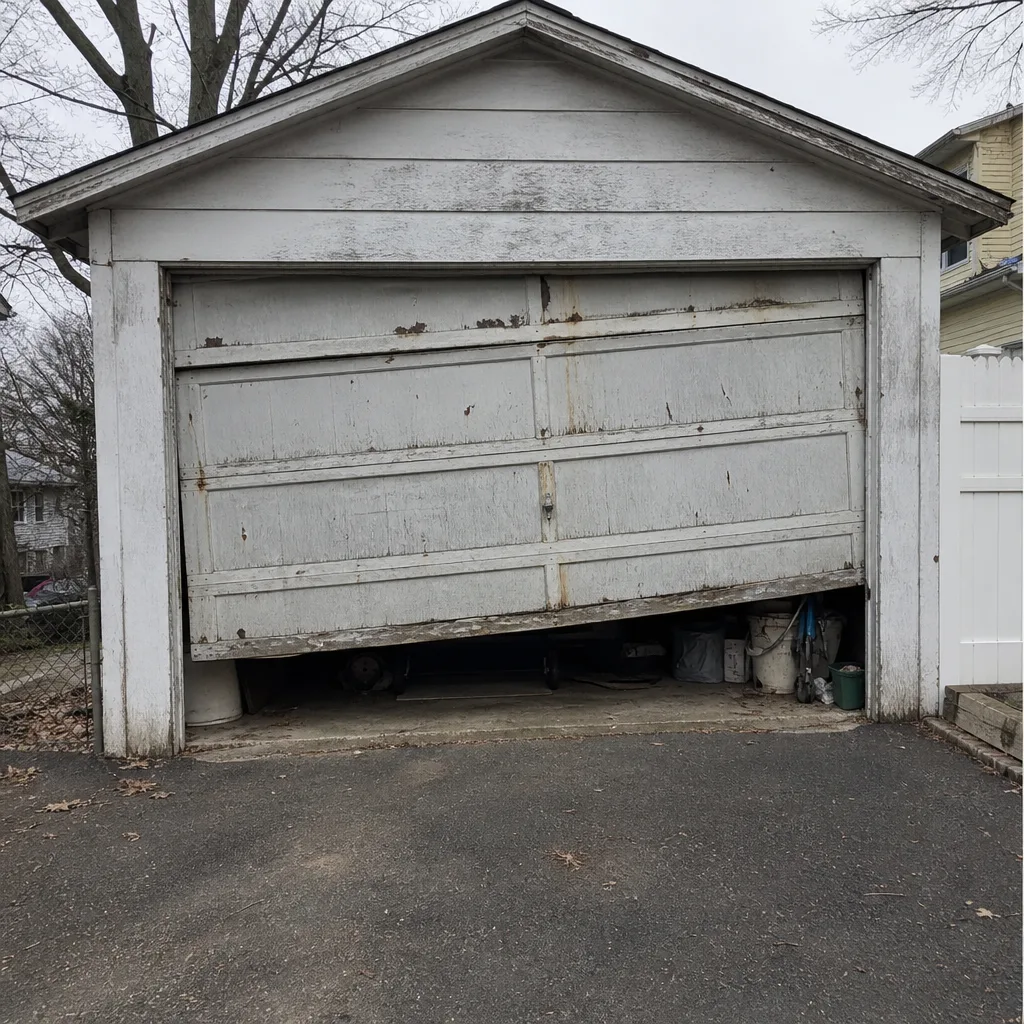 Before
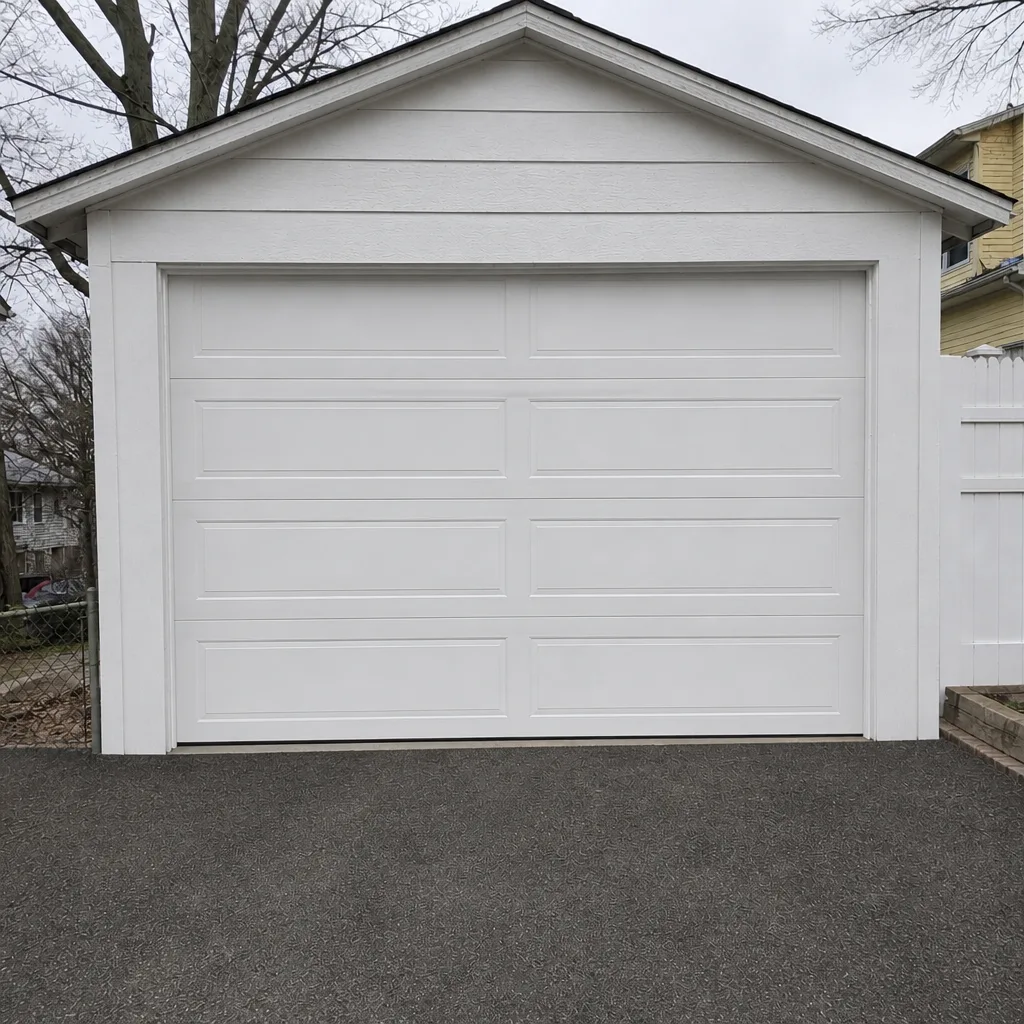 After
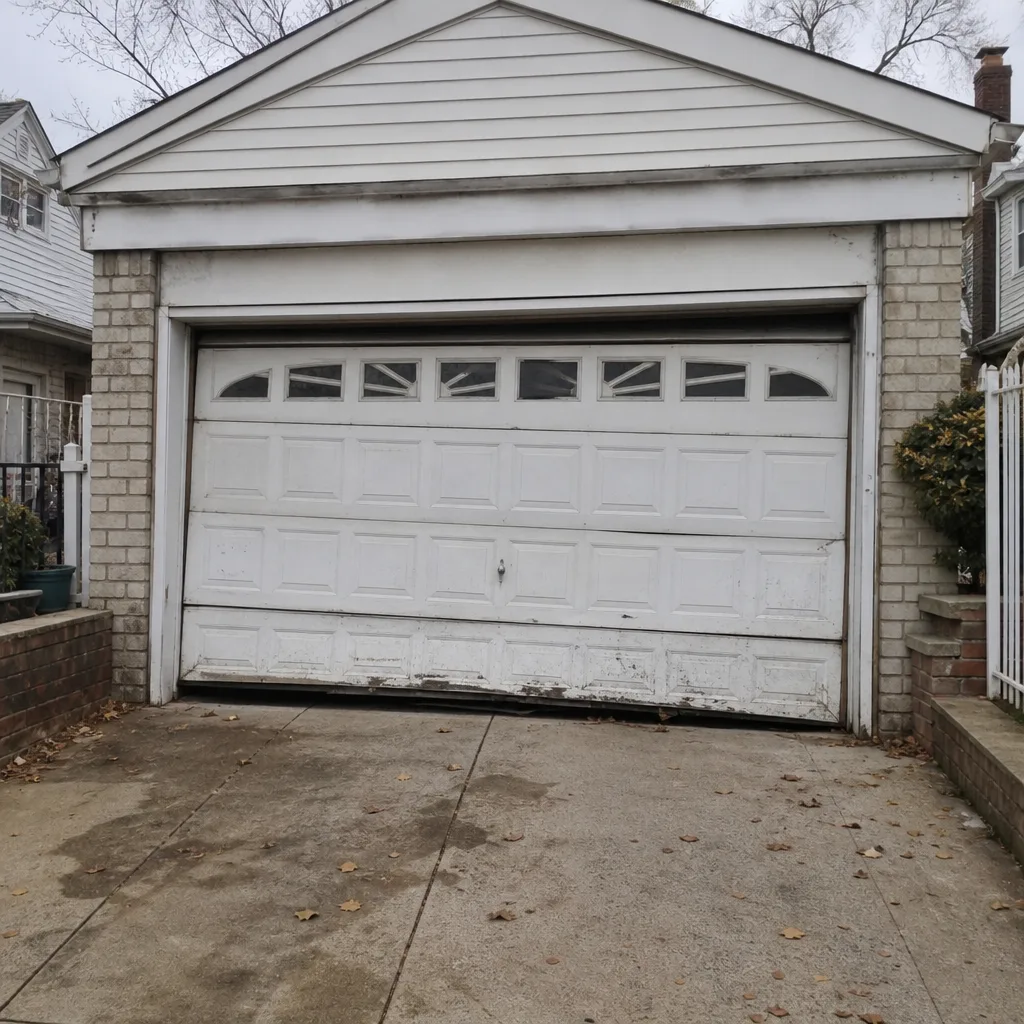 Before
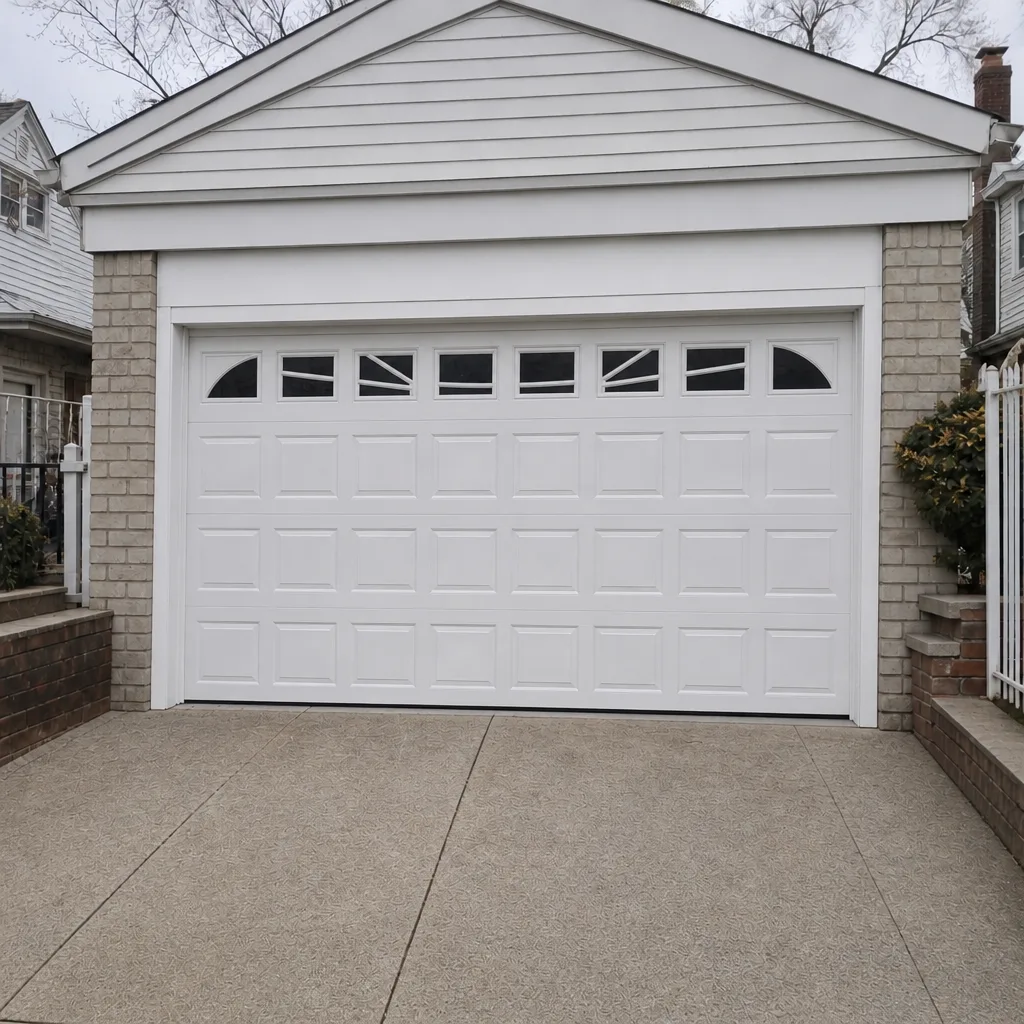 After
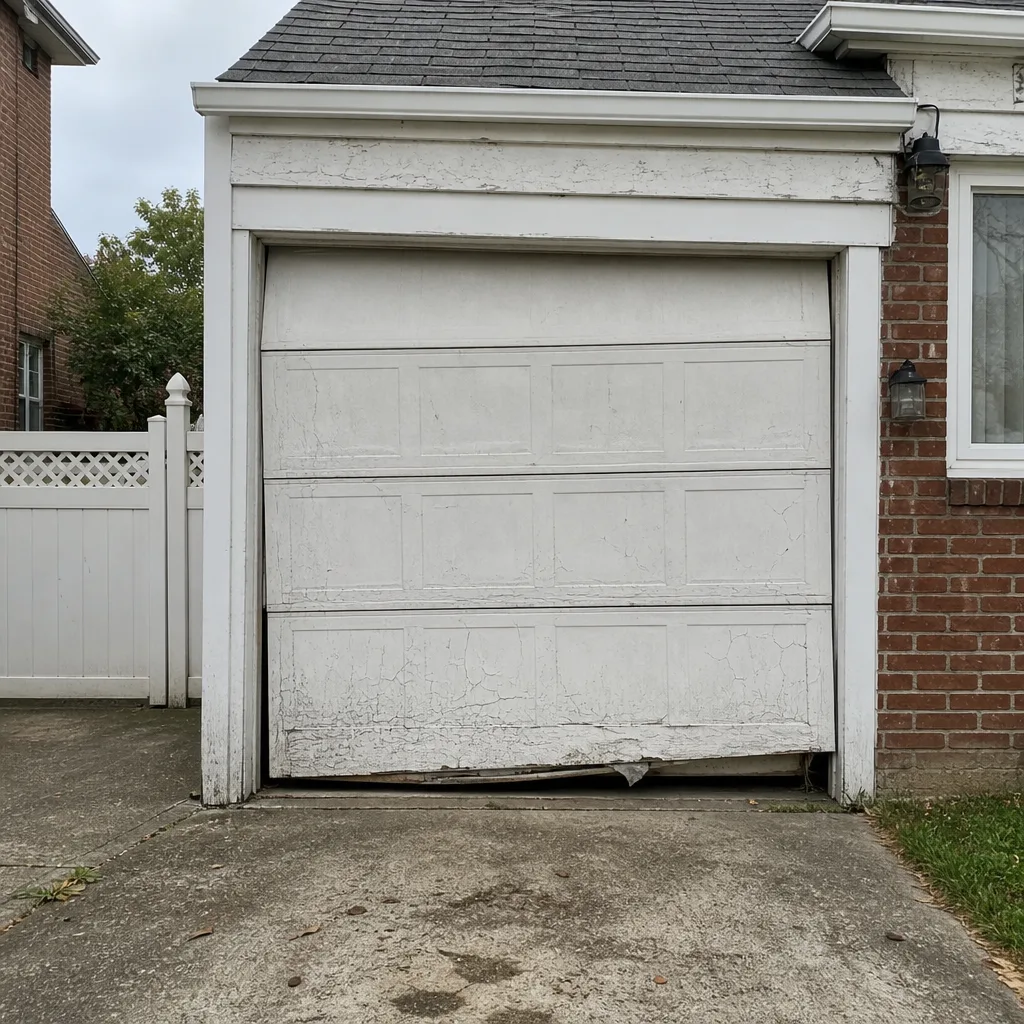 Before
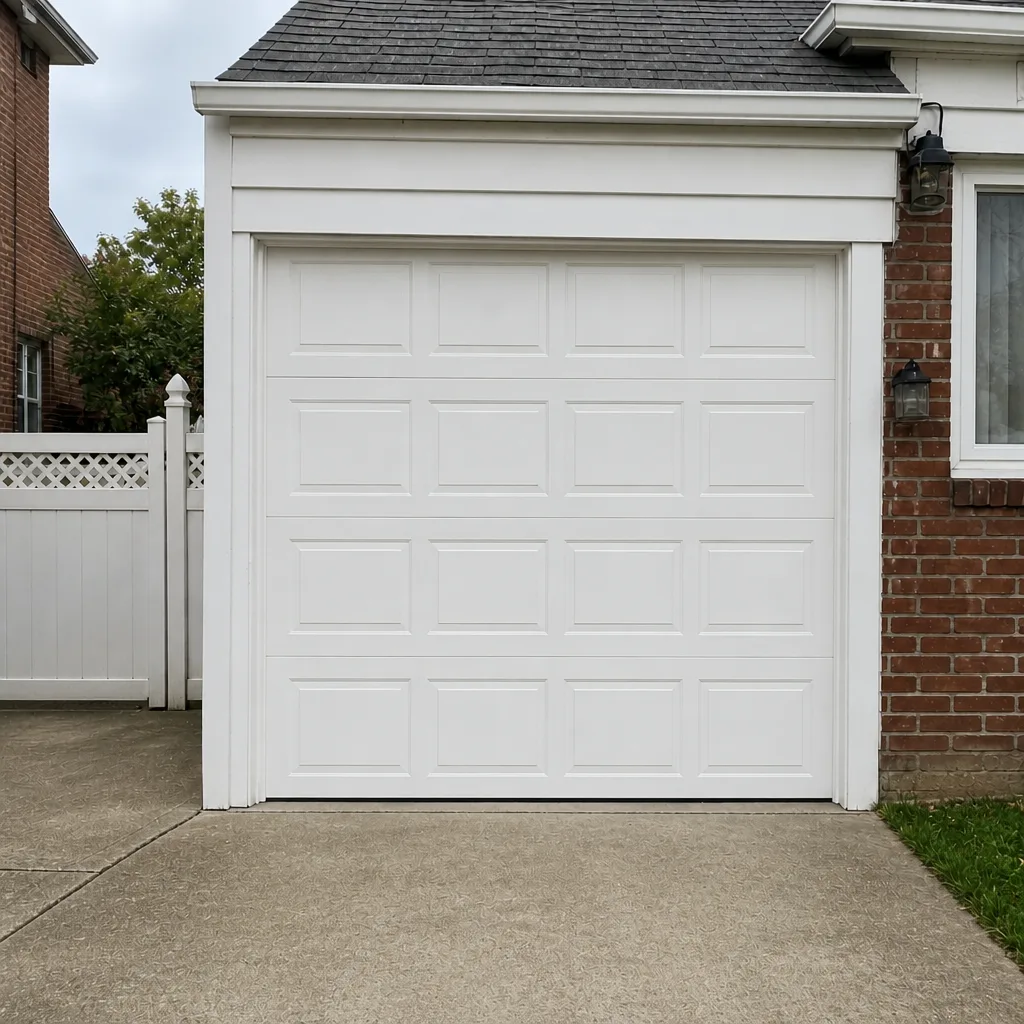 After
When to Call a Professional
Call a professional when anything involves the springs, the balance of the door, the opener’s force or limit settings, or any track realignment that doesn’t respond to a bolt tighten. Those are the tasks where a household mistake can turn a small fix into a larger one, or worse, into an injury. If you hear a loud bang from the garage and the door won’t lift, stop trying – that’s a broken spring. If the door is dragging, reversing unexpectedly, or making a new noise that wasn’t there last year, get it checked. Garage Door Repair Pelham Bay offers free estimates in Pelham Bay – call (877) 792-6840 and we’ll walk through what your door needs season by season.
Frequently Asked Questions
Twice a year: once in late fall with a cold-rated lubricant, and once in spring with a lighter application. Pelham Bay’s humidity in summer and hard freeze in winter both work on the metal faster than most homeowners expect, so the fall application is the non-negotiable one. Use a garage-door-specific lithium or silicone product, not WD-40. Call (877) 792-6840 if you want us to check the door and the lubrication points together – estimates are free.
No. Standard WD-40 is a solvent, not a lubricant, and it thins out below roughly 40°F, leaving the rollers and hinges drier than before. Use a white lithium grease or a garage-door-specific cold-weather spray applied in late November, before the first hard freeze. If you’re not sure which product suits your door, call (877) 792-6840 and we’ll tell you what we’d use.
Cold metal is more brittle, grease thickens, and a spring that was already fatigued in fall reaches its limit in the cold. Most winter spring failures start as a fatigue that began in October. That’s why the fall maintenance window is the highest-value one of the year. Call (877) 792-6840 to schedule a pre-winter check – the price is quoted and agreed before any work starts.
Thawing and refreezing soil under the driveway can lift the apron slightly, which pushes the bottom seal, misaligns the tracks, and can cause the door to drag. The fix is a post-thaw inspection in March: bottom seal, tracks, rollers, threshold. If the door is already dragging, call (877) 792-6840 – estimates are free.
Early symptoms include random reversing for no reason, remotes that work intermittently, and a door that responds slower in humid afternoon hours than in the evening. Those are board symptoms, not motor failures. Get a diagnostic before you replace anything. Call (877) 792-6840 for a free estimate – we work on LiftMaster, Chamberlain, Genie, and other leading brands.
Not upward, no. The force setting should always be the lowest value that reliably moves the door, and a door that needs more force in winter is a door that’s out of balance or dragging. Get the balance corrected first, then check the limits. Call (877) 792-6840 for a free estimate.
The Bottom Line
Pelham Bay’s garage doors fail on a schedule, and the schedule is seasonal: post-thaw damage in spring, humidity in summer, lubricant breakdown in fall, and spring fatigue in winter. The four checkpoints in this guide – March inspection, summer opener watch, fall five-task pass, and late-November cold-weather prep – hit each one before the damage compounds. Do them and most of the emergency repairs never happen. Skip them and the cheapest fix turns into the expensive one. Our technicians have up to 12 years of experience with the seasonal patterns in this neighborhood, and we’re happy to walk your door’s year with you.
If your garage door needs a check, a repair, or a full replacement, call (877) 792-6840 for a free estimate. The price is quoted and agreed before any work starts, and we work on your brand – LiftMaster, Chamberlain, Genie, Clopay, Amarr, Wayne Dalton, Craftsman, and Raynor – so you’re not waiting on a generalist to figure it out.
Written by the team at Garage Door Repair Pelham Bay.