Last updated November 21, 2026
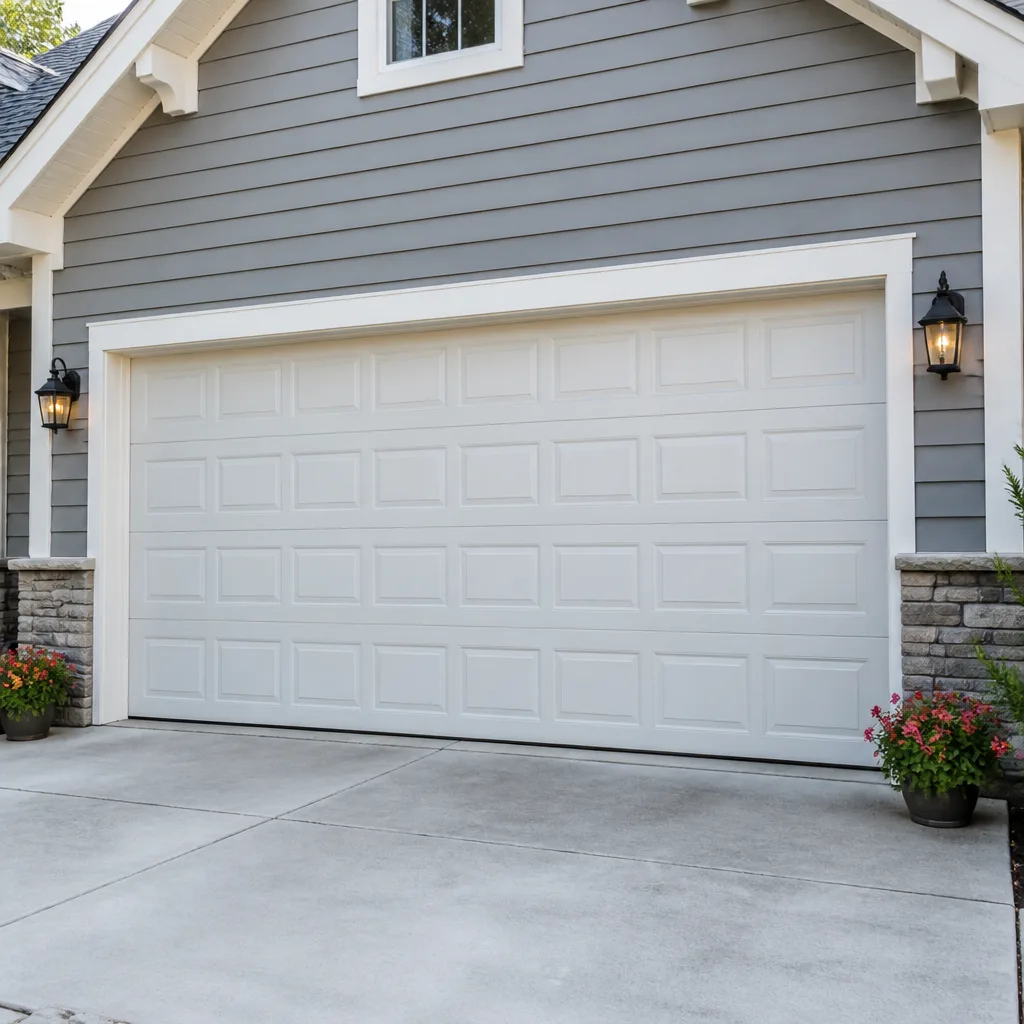 Raised-panel steel
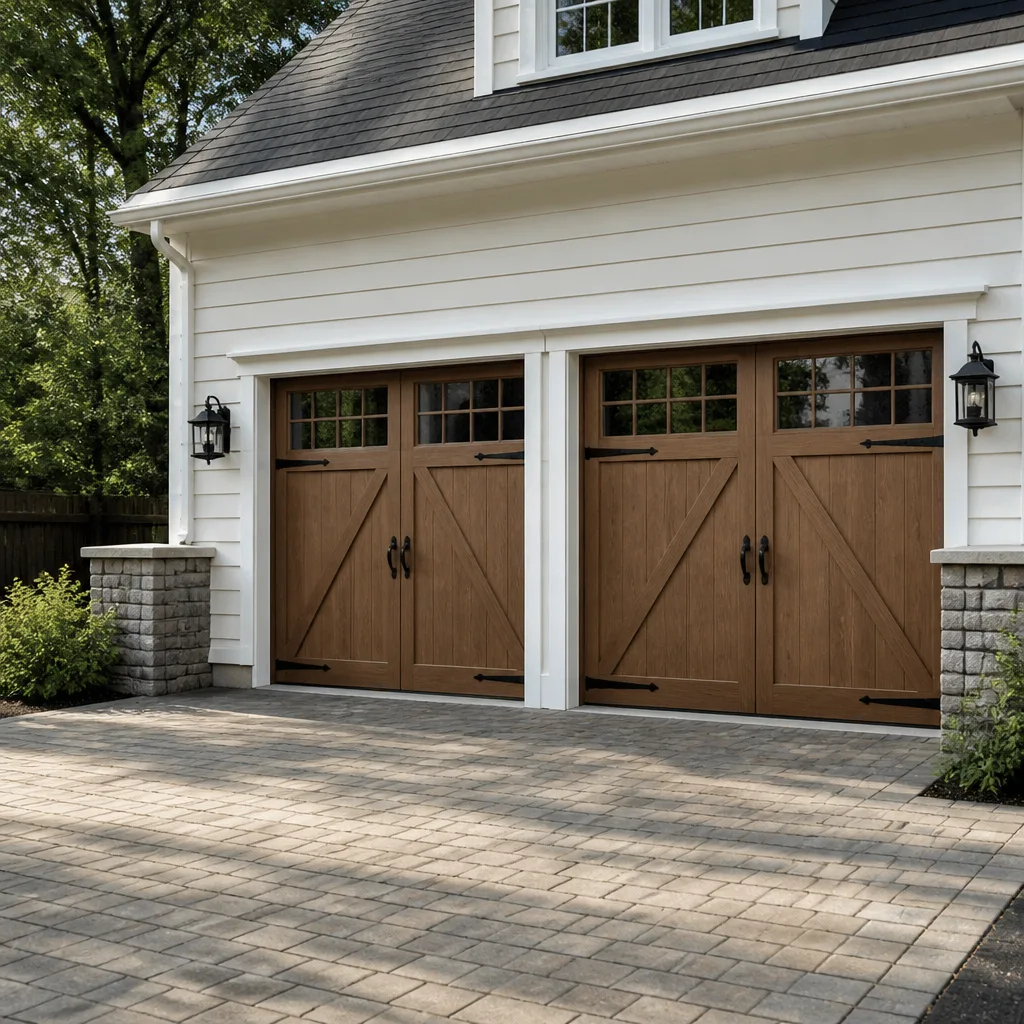 Carriage house
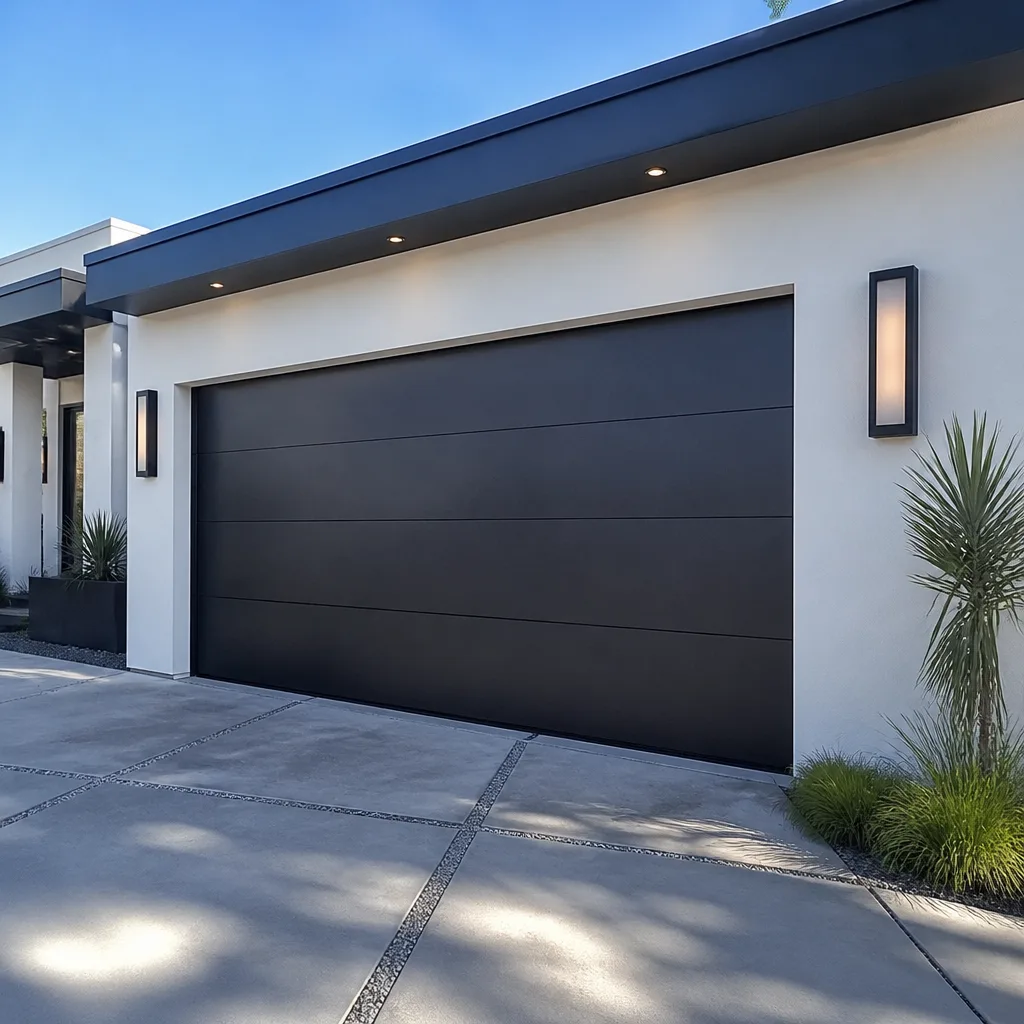 Modern flush
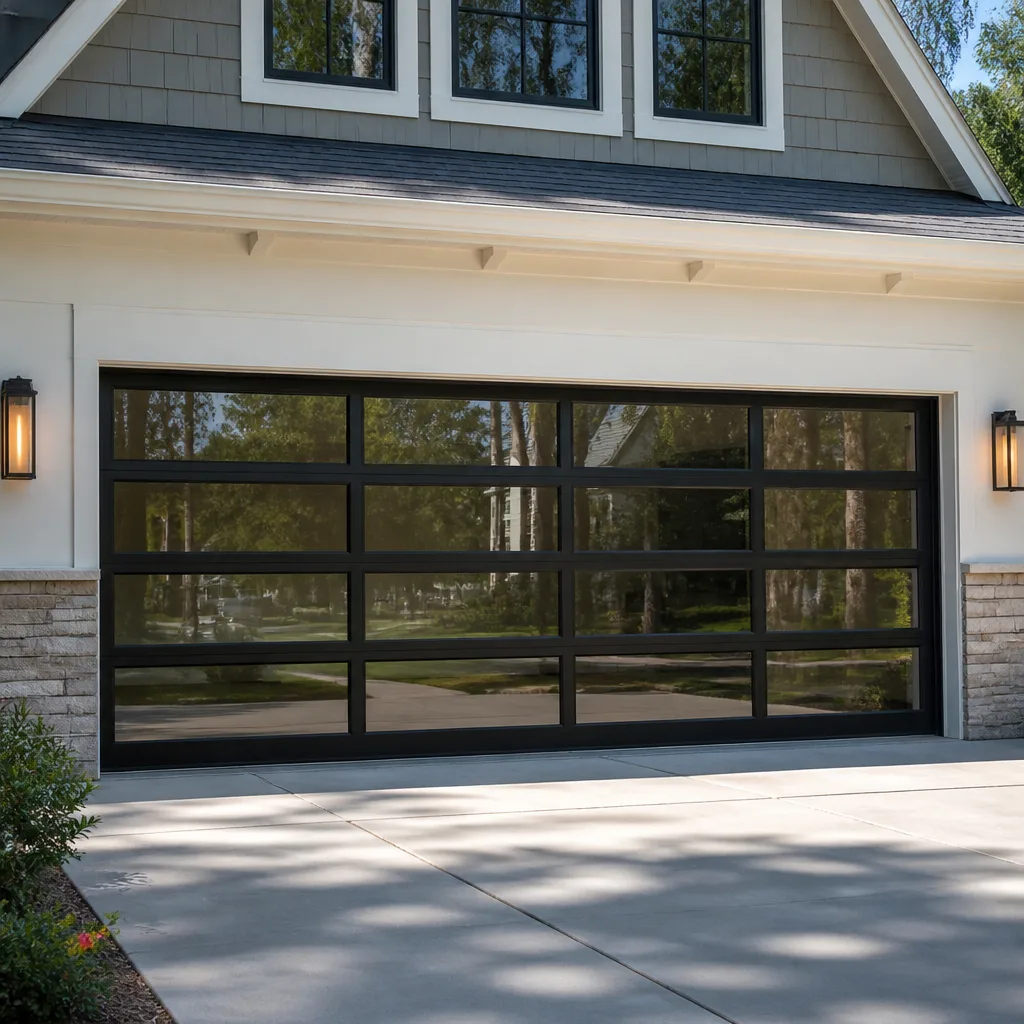 Full-view glass
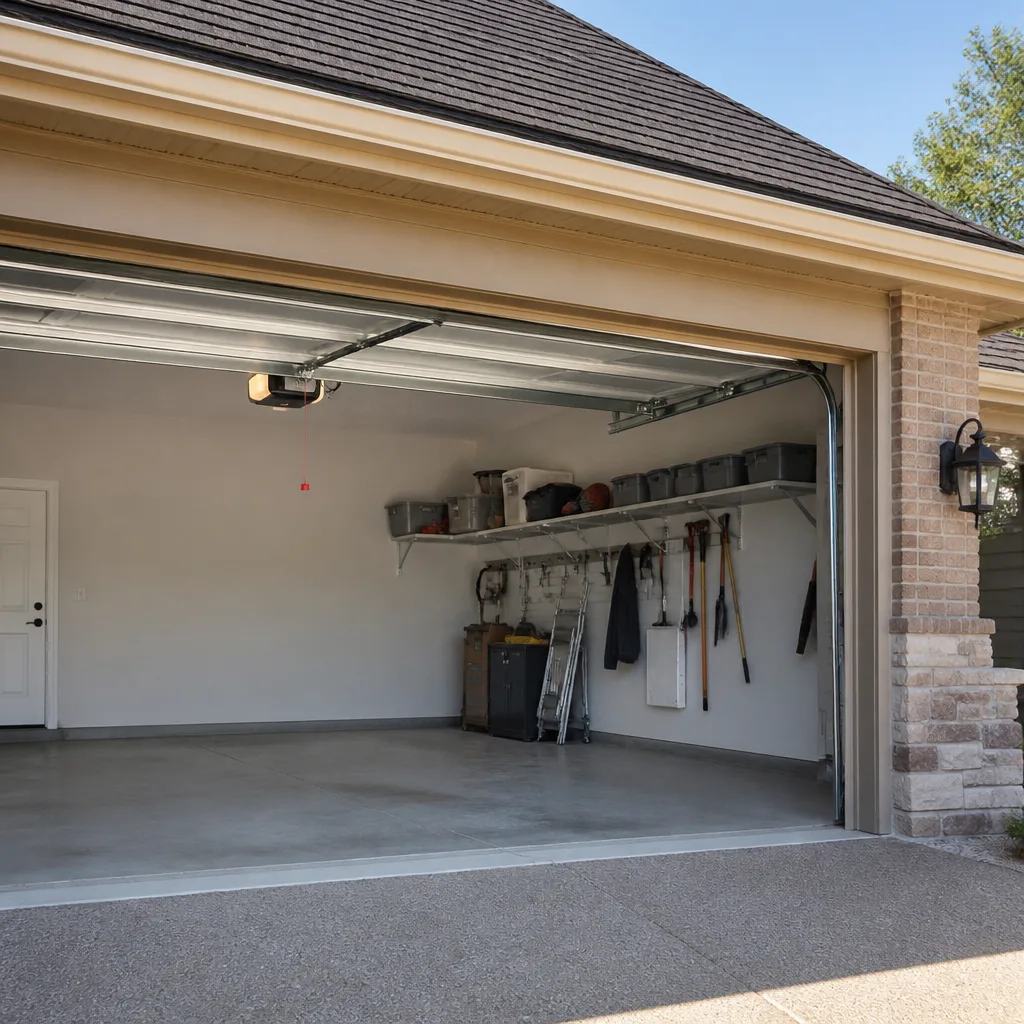 LiftMaster openers
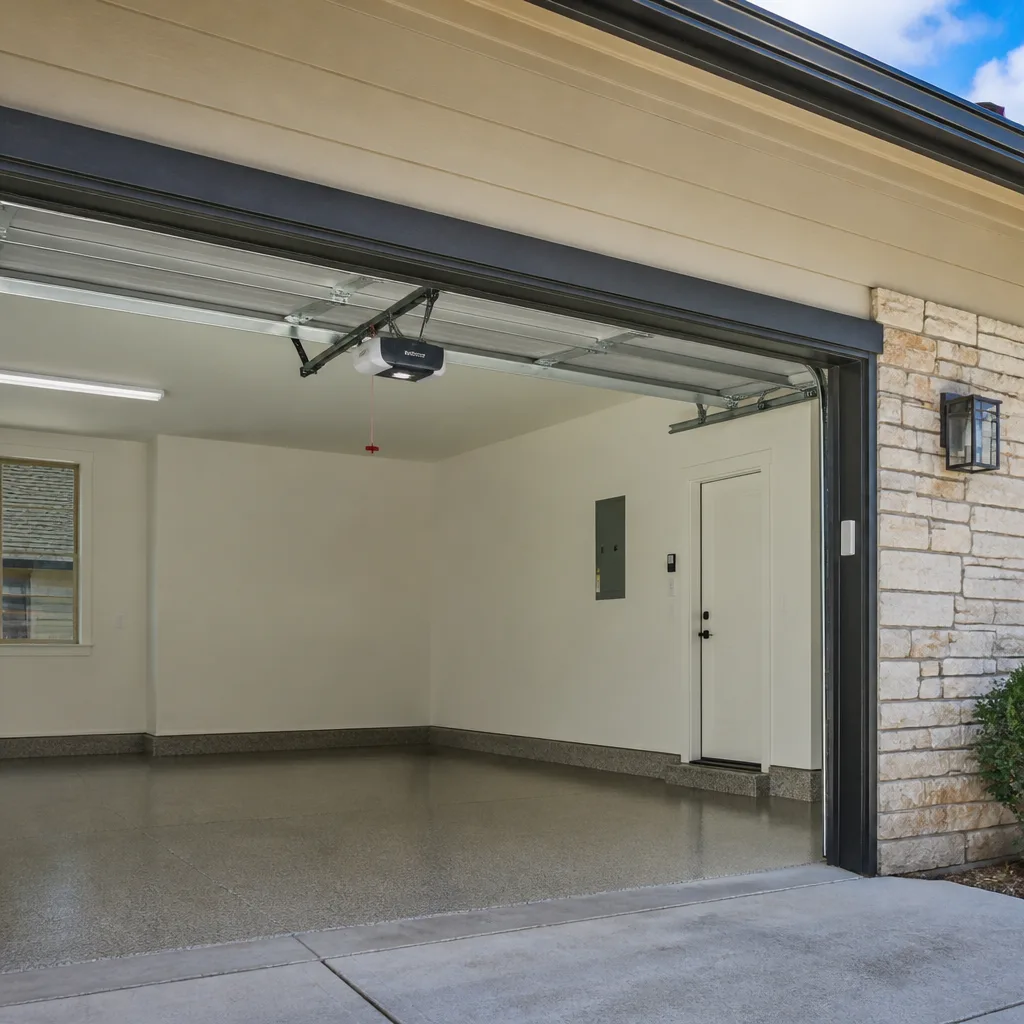 Chamberlain openers
Full 25-point door and opener safety check with every visit - springs, cables, rollers, tracks, and your LiftMaster or Chamberlain opener included
You get a price before we start. It does not change when the pro arrives.
Get your free estimateThe Complete Guide to Garage Doors in Pelham Bay
Most garage door guides are written for a suburban ranch house in Ohio. If your home sits within a mile of the Hutchinson River or shares a driveway with a neighbor, that advice was never meant for you. Pelham Bay is its own set of conditions: attached and semi-detached homes with narrow driveways, garages that were never insulated, and a housing stock old enough that a door replacement often means fitting new hardware into openings that were framed decades before anyone thought about overhead clearance. A guide that ignores those realities is worth about as much as a generic opener manual. This one maps every decision – material, spring type, opener drive, maintenance schedule – to the actual conditions you live with in Pelham Bay.
Quick Answer
Garage doors in Pelham Bay, NY need three things most generic guides skip: a torsion spring and track hardware suited to damp, freeze-thaw conditions near Pelham Bay Park; an opener drive type that tolerates an uninsulated garage through NYC winters; and dimensions that match the compact openings common in older attached and semi-detached homes. Match those three correctly and the door lasts. Skip them and you’ll replace hardware twice as often as you should.
Styles & brands we work with
- Raised-panel steel
- Carriage house
- Modern flush
- Full-view glass
- LiftMaster openers
- Chamberlain openers
Table of Contents
- How Local Conditions Shape Every Garage Door Decision
- Door Types and Materials for Pelham Bay Homes
- Spring Types, Corrosion, and Why Spring Work Is Specialized
- Choosing an Opener for an Uninsulated NYC Garage
- Door Width, Headroom, and Tight Driveway Constraints
- Panel Replacement vs. Full Door Replacement
- Brand Strengths Matched to Pelham Bay Use Cases
- A Maintenance Routine That Fits the Climate
How Local Conditions Shape Every Garage Door Decision
Two forces do most of the damage to garage doors in Pelham Bay. The first is moisture: the air around Pelham Bay Park stays damp through long stretches of the year, and that humidity settles on steel tracks, spring coils, hinges, and roller stems. The second is freeze-thaw cycling. Water gets into a hairline gap, freezes, expands, thaws, and repeats. A track that would last years in a dry climate can pit and rust here far sooner if it’s cheaply finished steel.
What that means in practice is that material specs matter more here than style. Galvanized tracks resist corrosion far better than painted ones. Galvanized torsion springs run cooler and last longer than oil-tempered springs in a damp climate. Nylon rollers stay quieter and shed moisture where steel rollers rust and seize. These are not premium add-ons; in Pelham Bay they’re baseline choices if you want the door to stay smooth.
Older housing stock adds its own layer. Many attached and semi-detached homes here were framed when garage doors were lighter and openings were built with less tolerance for error. That affects headroom, side clearance, and the way a new door hangs. A technician who works in Pelham Bay regularly learns to measure twice and check framing before ordering anything, because a door sized for a standard opening won’t fit a home built to a different set of dimensions.
The neighborhood layout matters too. Tight shared driveways mean the door faces you install and the opener you choose can’t swing wide or take up extra track length. Every recommendation below accounts for those constraints.
Door Types and Materials for Pelham Bay Homes
Sectional doors dominate Pelham Bay for a simple reason: they travel up and back along the ceiling, which suits the shallow garages and tight driveways you find in attached homes. Single-panel and tilt-up doors need swing-out clearance in front of the opening, and most driveways here can’t spare it. Roll-up doors are compact and common on commercial buildings, but they offer less insulation and don’t match residential facades.
Material choice comes down to four options, each with a clear trade-off in this climate:
- Steel: The standard for Pelham Bay. Durable, repairable, and available in insulated panel construction. Rust is the risk, so look for a galvanized or factory-primed finish.
- Aluminum: Lighter and resistant to rust, which suits a damp climate. It dents more easily than steel, so it works best on low-traffic doors.
- Wood: Fits the older housing stock visually, but needs regular refinishing to survive damp air and freeze-thaw. Skip it unless you’re prepared to maintain it.
- Composite or vinyl-clad: Moisture-resistant and low-maintenance. A reasonable fit for newer construction or renovated facades.
Insulation is the quiet decision here. An uninsulated steel door in a Pelham Bay winter acts like a radiator, and the garage gets cold fast. If your garage doubles as a utility space or sits under living area, an insulated door (Clopay’s insulated panel lines are a common choice) pays back in comfort and in reduced strain on the opener.
Spring Types, Corrosion, and Why Spring Work Is Specialized
A garage door spring is a stored-energy component under extreme tension. It is the most dangerous part of the entire system to service, and it’s the part Pelham Bay conditions wear fastest. We treat spring work as its own discipline for exactly that reason. Springs, not doors, are where the injuries happen when someone treats them like a home improvement project.
Two spring systems exist, and the difference affects both performance and cost:
- Torsion springs mount on a shaft above the door. They’re quieter, more durable, and better balanced, but they need proper tensioning by a trained technician.
- Extension springs run along the horizontal tracks. They’re simpler and cost less, but they can fail more abruptly and need safety cables as a backup.
In Pelham Bay, we lean toward galvanized torsion springs because they resist corrosion better than oil-tempered springs in damp air. A spring that rusts can lose tension unevenly, put extra load on the opener, and eventually snap. Galvanized hardware buys you more cycles before that happens.
Here’s the part no one should do themselves: adjusting or replacing a torsion spring requires winding bars, an understanding of tension, and the discipline to never stand under a spring that’s still under load. A snapped spring can cause serious injury. If your door won’t lift or a spring looks broken, call a specialist. That’s a safety boundary, not a sales pitch.
Choosing an Opener for an Uninsulated NYC Garage
Opener drive type is usually decided by noise, but in Pelham Bay it should be decided by temperature. An uninsulated garage in an NYC winter can drop colder than the house interior, and that cold affects how drive mechanisms behave. Here’s how the three main drive types hold up:
- Belt drive: The quietest option. A reinforced belt tolerates cold well and stays smooth. Best for garages under or next to living space.
- Chain drive: Durable and inexpensive, but louder. Works fine in a detached or standalone garage where noise doesn’t carry.
- Direct drive (screw drive): Fewer moving parts and quiet operation, but the screw mechanism needs regular cleaning and lubrication to stay smooth in cold weather.
Beyond the drive, look for cold-weather-rated openers with battery backup and a reliable safety reverse. If your garage is uninsulated, a belt drive is usually the safest bet. We install and service LiftMaster and Chamberlain openers regularly because their parts are widely available, and when something fails we can get it back in service today.
Door Width, Headroom, and Tight Driveway Constraints
Sizing is where Pelham Bay homes most often surprise a generic installer. Older attached and semi-detached houses can have non-standard widths, lower headroom, or narrow side clearance that a stock door won’t fit. Getting this wrong means a door that won’t open fully, a track that scrapes, or a return trip with the wrong panels.
Before any door is ordered, three measurements decide the job:
- Opening width and height: Measure the actual clear opening, not the frame-to-frame distance. Older openings vary by inches.
- Headroom: The space above the opening determines whether a standard torsion setup fits or you need a low-headroom configuration.
- Side clearance and backroom: The space beside the opening and the distance back to the ceiling dictate how the door and opener travel.
On shared driveways, backroom is the real constraint. A door that needs too much backroom won’t open cleanly in a shallow garage. That’s where brand flexibility matters: Wayne Dalton’s low-headroom systems are built to work in tight spaces where a full-travel door won’t. Matching the door to the actual dimensions is what keeps everything smooth. For most Pelham Bay homes, a careful measure before ordering beats any off-the-shelf fit.
Panel Replacement vs. Full Door Replacement
Not every problem means a new door. Panel replacement is often the right call, and a full replacement is the right call less often than people assume. The decision comes down to what’s actually damaged and whether the door can be matched.
Panel replacement makes sense when:
- One or two panels are dented or damaged and the rest are structurally sound.
- The door’s model is still available so the new panel matches in color and profile.
- The track, springs, and opener are in good condition.
Full replacement makes sense when:
- Damage is spread across several panels or the framing is compromised.
- The door is uninsulated and you want a warmer garage.
- Replacement panels are no longer available for an older model, or the cost of matching approaches a new door.
In Pelham Bay’s older housing stock, an aging door also means aging hardware. Replacing a single panel on a door with corroded tracks and tired springs often just moves the problem down the road. A full replacement lets you reset the whole system with galvanized hardware suited to the climate. A free measure and a written price make the comparison clear before you commit. Call (877) 792-6840 to schedule yours.
Brand Strengths Matched to Pelham Bay Use Cases
Brand familiarity isn’t a marketing point here; it’s a practical one. When a technician knows a specific opener model or door line by name, they diagnose faster and source the right parts without guessing. We work with eight of the most widely installed brands in the country – LiftMaster, Chamberlain, Genie, Clopay, Amarr, Wayne Dalton, Craftsman, and Raynor – and a few of them suit Pelham Bay use cases especially well.
LiftMaster is our go-to for reliability. The openers hold up in cold garages, parts are easy to source, and service is straightforward when something does go wrong. Chamberlain offers the same dependable belt and chain platforms at a widely available price point. Genie openers are common in homes where an existing unit simply needs repair or a like-for-like replacement.
On the door side, Clopay is the natural pick when insulation value matters most – good for garages under living space or that double as utility rooms. Wayne Dalton shines in tight spaces, with low-headroom systems built for the shallow garages common in Pelham Bay. Amarr covers a broad range of steel panel styles that fit the neighborhood’s older facades. Matching brand to use case, rather than pushing one brand for every home, is what keeps a Pelham Bay garage door working for the life of the house. For a closer look at the services that surround these choices, see garage door repair.
A Maintenance Routine That Fits the Climate
The right maintenance schedule in Pelham Bay is shorter than a dry-climate guide suggests, because damp air and repeated freeze-thaw accelerate wear. A quick monthly check catches most problems before they turn into repair calls. Here’s the routine we recommend:
- Lubricate moving parts: Rollers, hinges, and the spring shaft – a silicone or lithium-based lubricant, not household oil.
- Inspect tracks for rust and debris: Wipe them down and check for pitting. Galvanized tracks hold up better, but any track needs cleaning.
- Test the safety reverse: Place an object in the door’s path and confirm it reverses on contact. This is a safety-critical check.
- Listen for changes: New squeaks, grinding, or a door that lifts unevenly usually mean worn rollers or a spring losing tension.
- Look at the springs: Visible gaps in a torsion spring or stretched extension springs mean it’s time for a professional look – and never a DIY repair.
Have a technician inspect springs, cables, and opener tension once a year. A belt-driven opener and galvanized hardware need less attention, but the annual check catches corrosion before it causes a failure. For opener-specific service, our garage door opener repair page covers the details. When you do need a full replacement, we handle everything from measure to install through garage door installation.
Common Mistakes to Avoid
- Choosing a door by style before checking dimensions. In Pelham Bay’s older homes, width and headroom come first. A beautiful door that doesn’t fit the opening is a costly mistake.
- Ignoring corrosion until a spring snaps. Damp air near Pelham Bay Park rusts cheap hardware fast. Galvanized springs and tracks cost a little more up front and last longer.
- Buying an uninsulated door for a heated-use garage. An uninsulated steel door in a NYC winter makes the space cold and strains the opener. Insulation pays back.
- Trying to adjust or replace a torsion spring yourself. This is the most dangerous part of the system. A snapped spring can cause serious injury. Leave it to a trained technician.
- Picking a chain-drive opener for a garage under living space. The noise travels. Belt drive is the right call where quiet matters.
- Replacing one panel on a door with worn hardware. New panels on old tracks and springs just moves the problem down the road. Reset the whole system when it’s time.
- Calling a general handyman for spring or opener work. A generalist treats garage doors as a side job. A single-trade specialist diagnoses faster and gets it right the first time.
See the difference
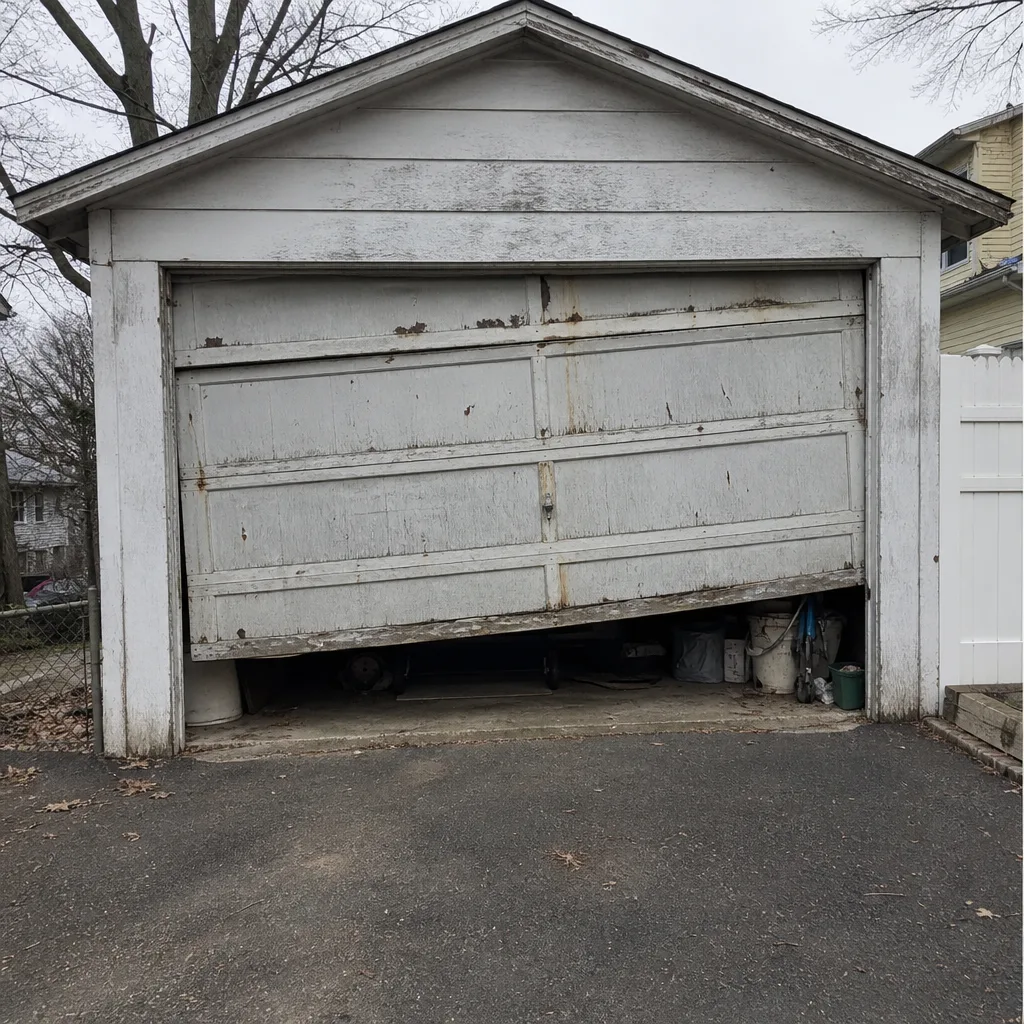 Before
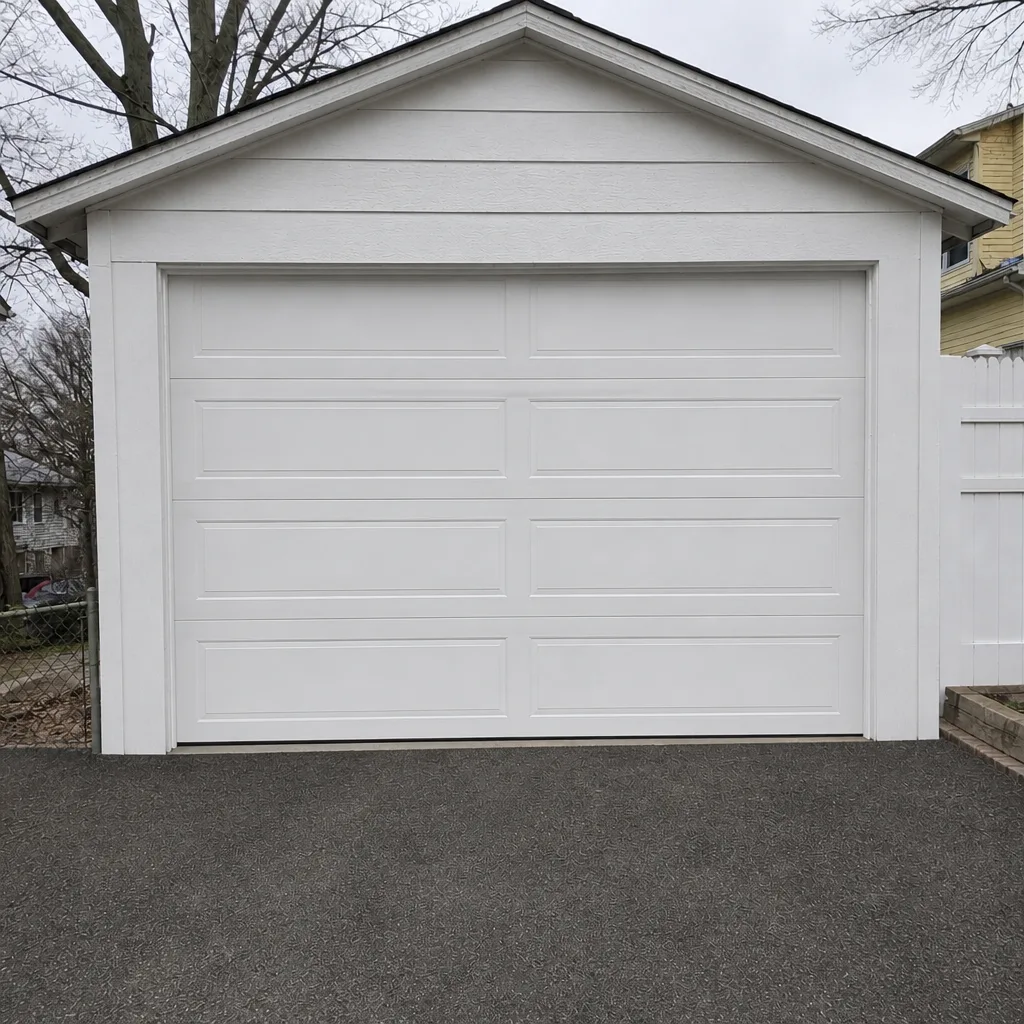 After
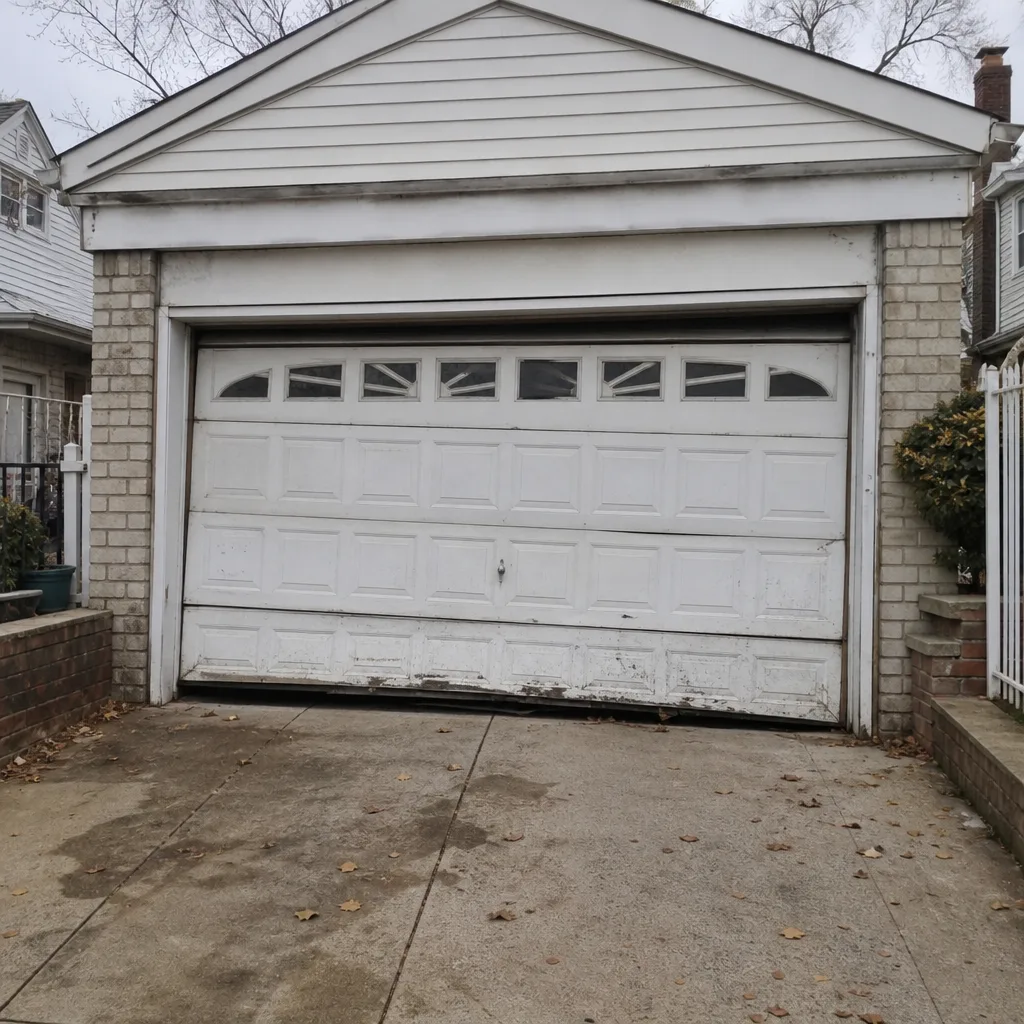 Before
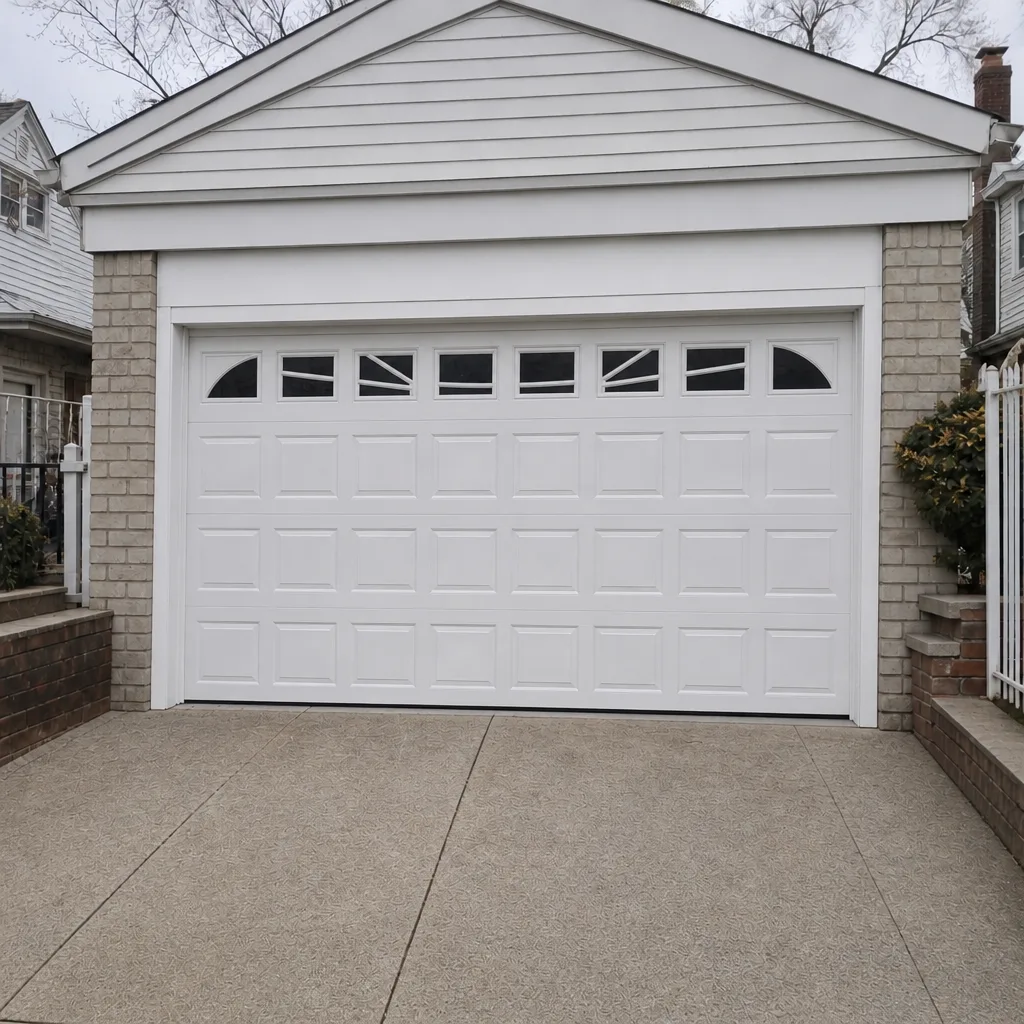 After
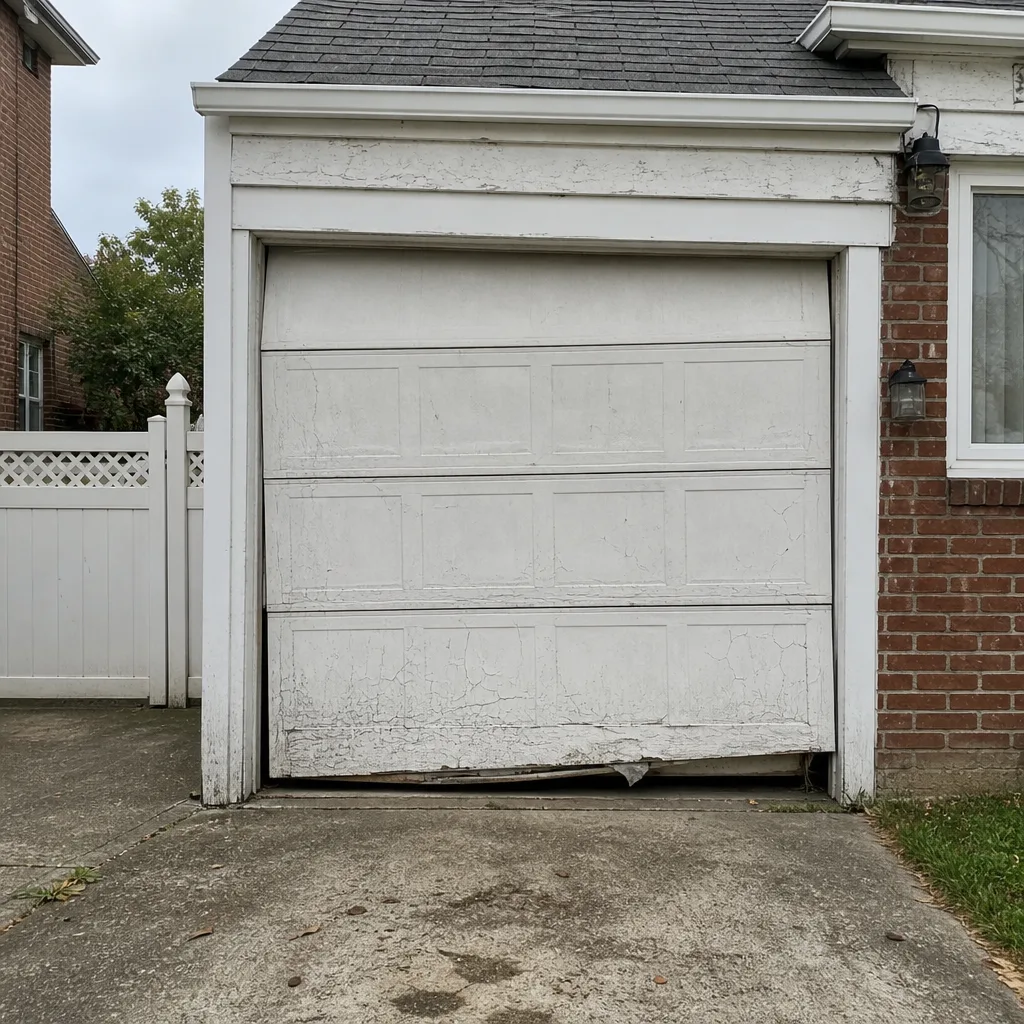 Before
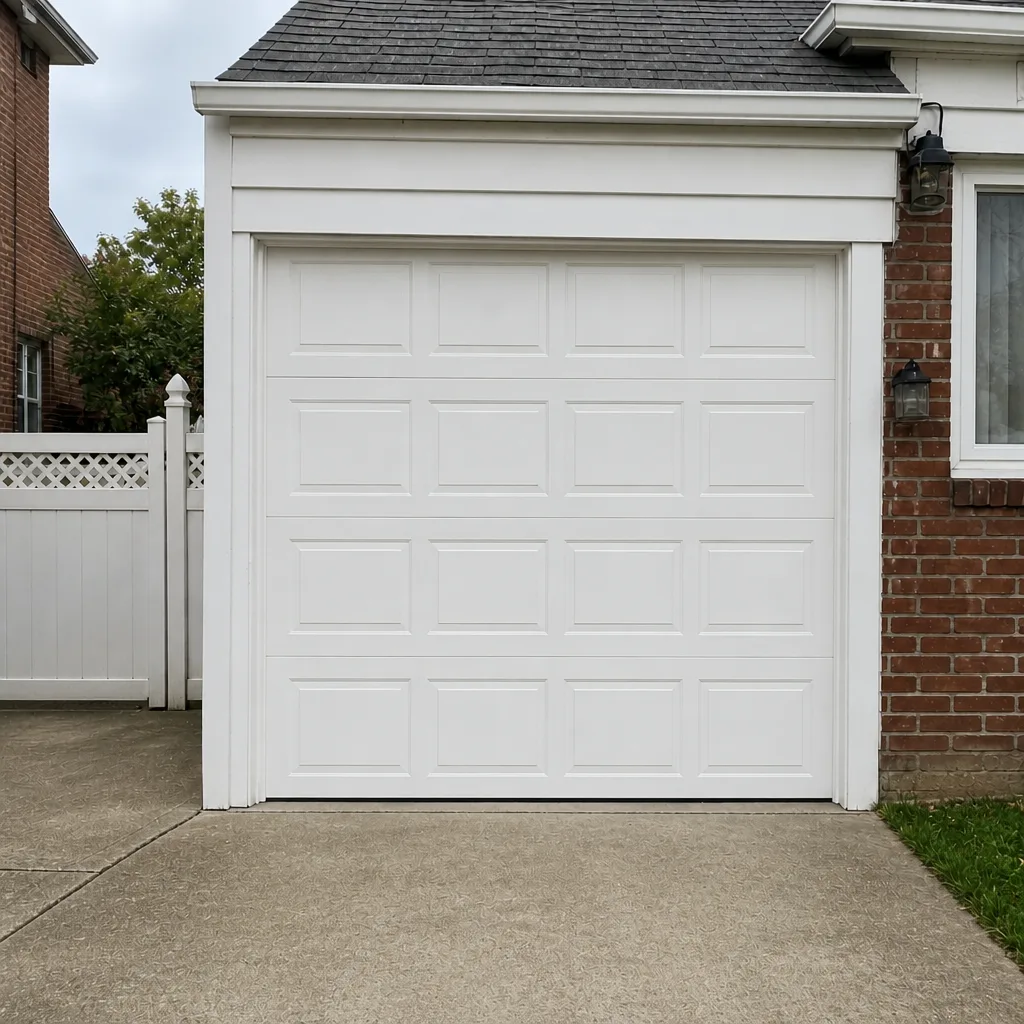 After
When to Call a Professional
Some issues need a professional, and knowing which is half the battle. Call us when a spring is broken, when the door won’t lift or drops unevenly, when the opener hums but doesn’t move the door, or when a cable has come off its drum. Those are safety-critical, and spring or cable work should never be a DIY project. Call us when a track is bent, when the door is off its rollers, or when it reverses for no reason. If you’re planning a full replacement, we’ll measure the opening, check headroom and side clearance, and quote the door with a written price before anything is ordered. Garage Door Repair Pelham Bay offers free estimates in Pelham Bay – call (877) 792-6840. For a fast overview of our core service, visit Garage Door Repair Pelham Bay.
Frequently Asked Questions
A typical repair – a single spring, a set of rollers, or an opener adjustment – usually falls in a modest range, with spring replacement quoted per spring. A matched pair of springs is usually replaced together, so a pair costs about twice a single spring. The written estimate sets the final price, quoted and agreed before any work starts. Call (877) 792-6840 for an exact quote – estimates are free.
Yes, in most cases. Spring repair is a dedicated service for us, and a snapped spring is exactly the kind of job we prioritize. We offer same-day service and fast dispatch from 7am to 7pm, and the price is agreed before we start. Call (877) 792-6840 and we’ll get you back in service today.
No. We quote and agree the price before any work starts, so the written estimate is what you pay. If we discover something that genuinely changes the scope, we’ll explain it and get your approval before continuing. Call (877) 792-6840 for a free estimate.
The local professionals we connect you with are licensed and insured as their state requires. Our technicians have up to 12 years of experience and work exclusively on garage doors, not as generalists. Call (877) 792-6840 to book a visit.
LiftMaster and Chamberlain belt drives handle cold, uninsulated garages well and have widely available parts. Genie is also common in the neighborhood and easy to service. The right pick depends on your garage’s insulation and where the opener sits relative to living space. Call (877) 792-6840 and we’ll recommend one for your setup.
Replace a panel when one or two sections are damaged and the model is still available; replace the whole door when damage is widespread, the panels are discontinued, or the hardware is worn out. In older Pelham Bay homes, a full reset often makes more financial sense. We’ll measure and give you a written comparison – call (877) 792-6840.
The Bottom Line
Garage doors in Pelham Bay live under conditions that generic guides ignore: damp air near Pelham Bay Park, freeze-thaw cycling, uninsulated garages, and compact openings in older attached and semi-detached homes. Match the hardware to the climate – galvanized springs and tracks, a belt drive for cold garages – and match the door to the actual dimensions before you order. Know when a panel replacement is enough and when a full reset makes sense. Keep up a short monthly maintenance routine and have a specialist check the springs once a year. Do those things and your door works for the life of the house. Everything else is detail.
Need help sorting out which option fits your home? Garage Door Repair Pelham Bay offers free estimates across our service area – call (877) 792-6840 to schedule a measure and a written price, whether it’s a repair, an opener, a spring, or a new door.
Written by the team at Garage Door Repair Pelham Bay.