Last updated November 21, 2026
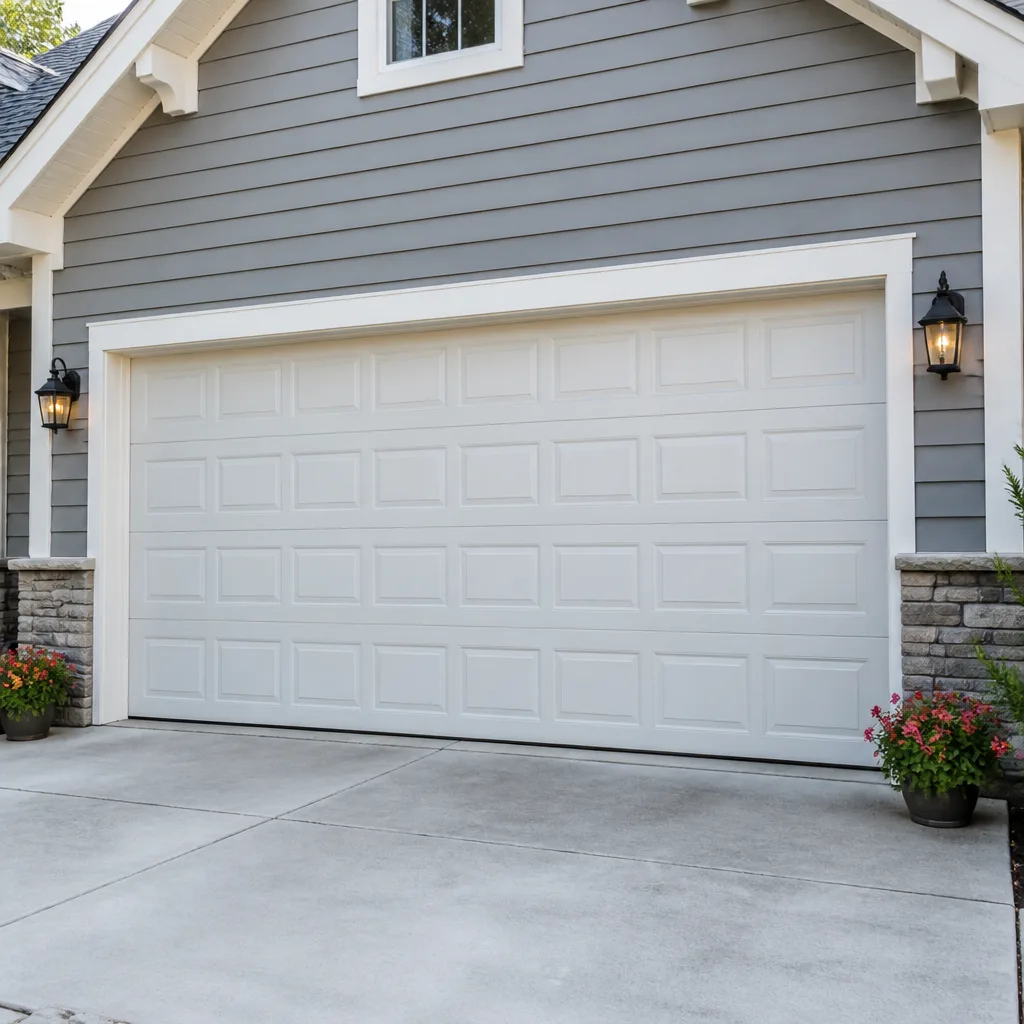 Raised-panel steel
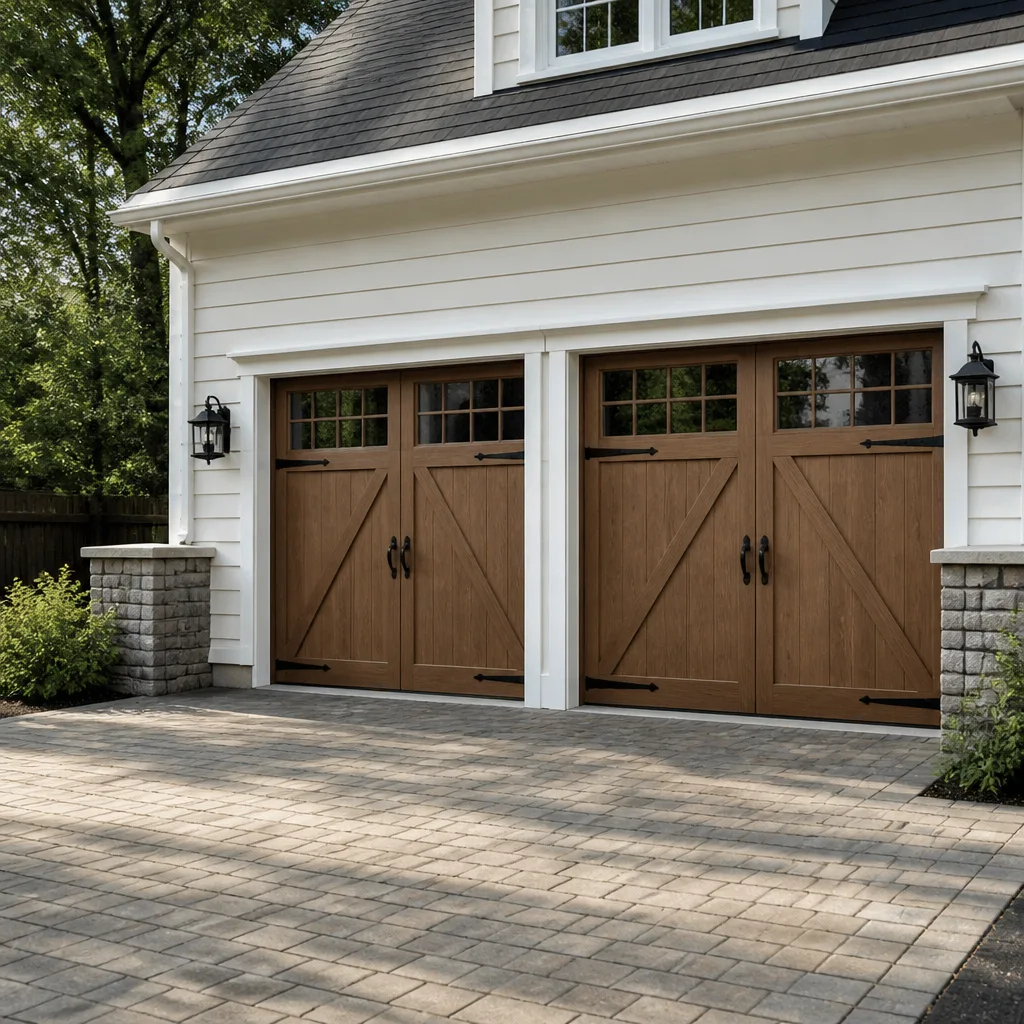 Carriage house
 Modern flush
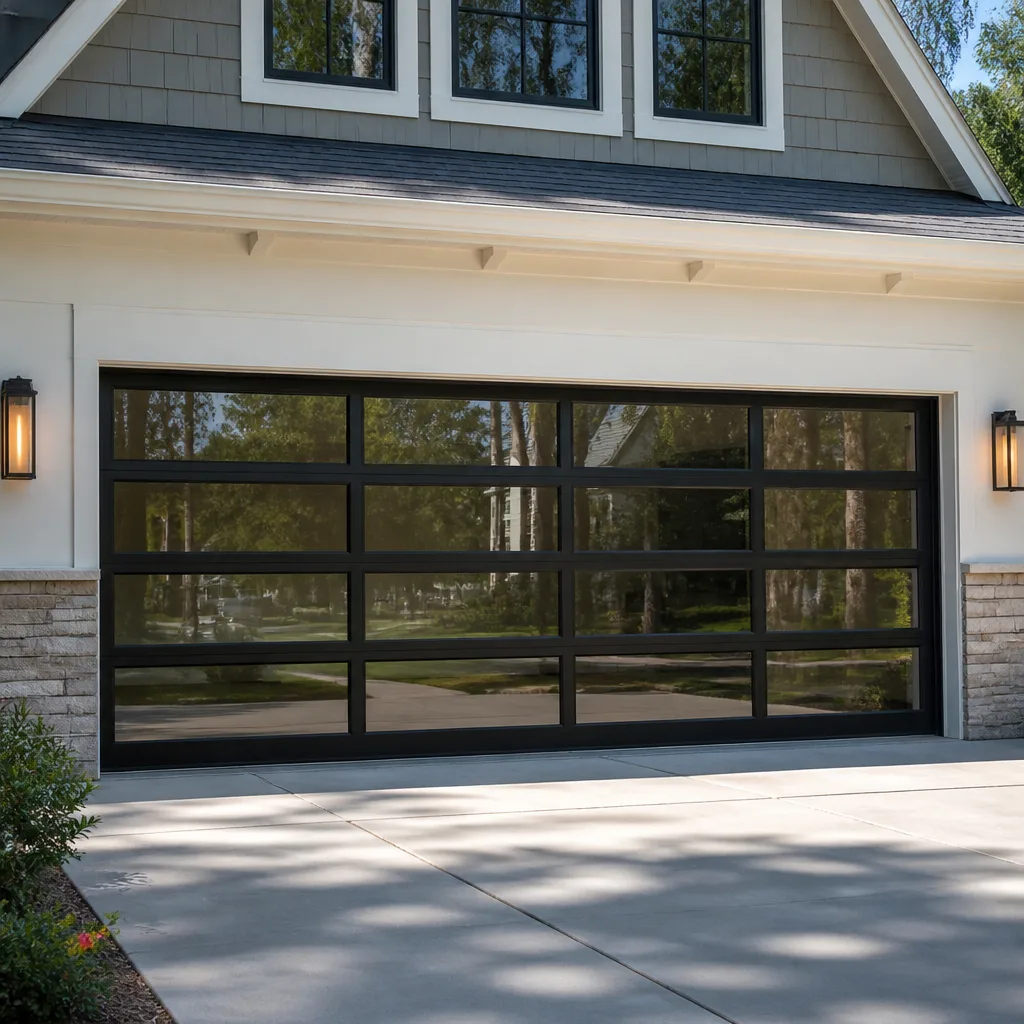 Full-view glass
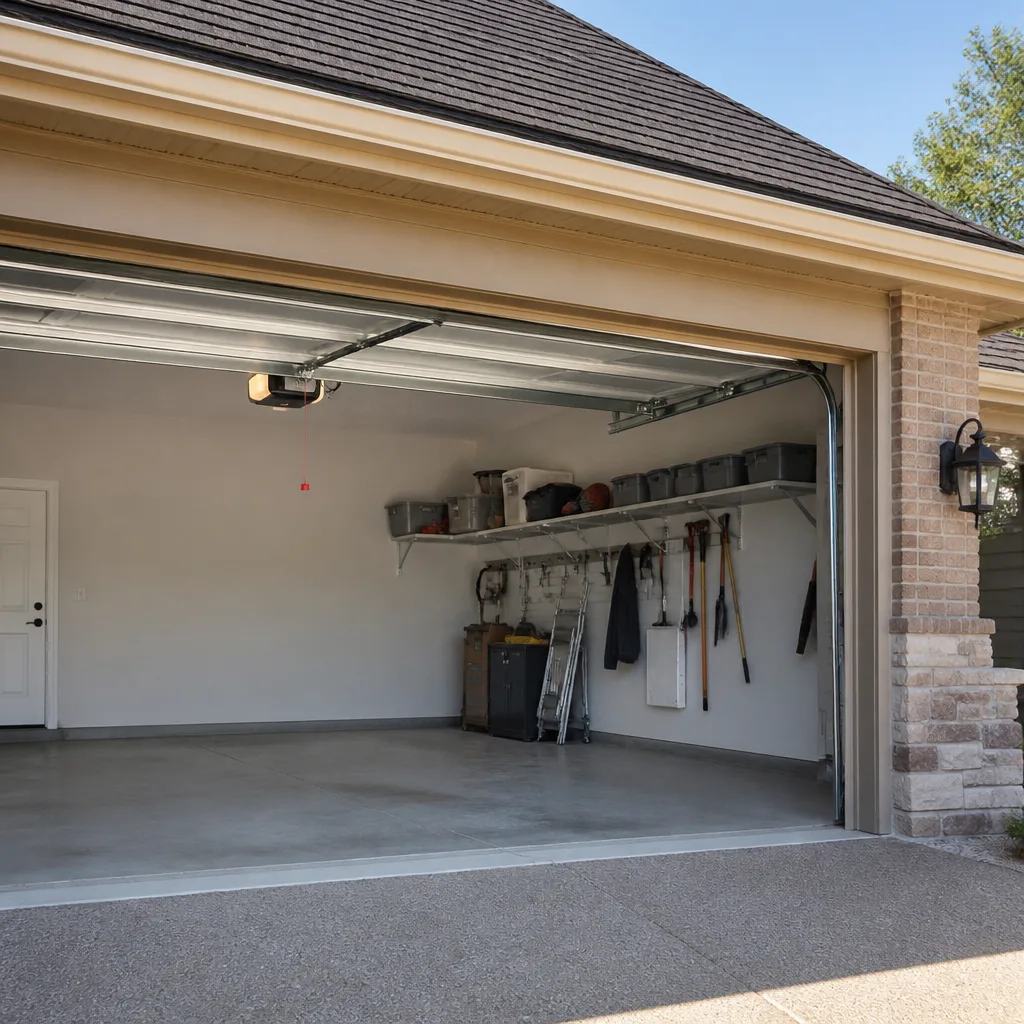 LiftMaster openers
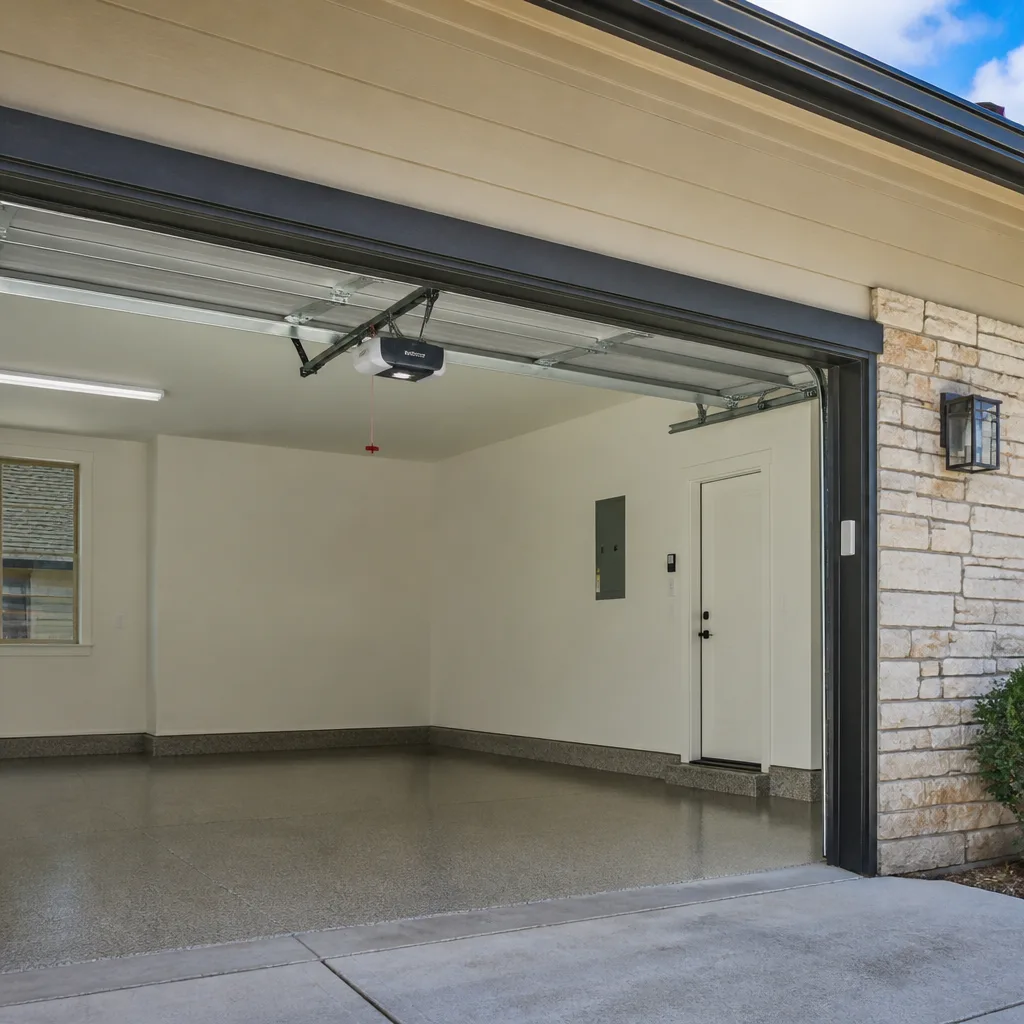 Chamberlain openers
Full 25-point door and opener safety check with every visit - springs, cables, rollers, tracks, and your LiftMaster or Chamberlain opener included
You get a price before we start. It does not change when the pro arrives.
Get your free estimateGarage Door Warning Signs: A Pelham Bay Homeowner’s Reference Guide
A garage door that hesitates for two seconds before it moves is not “just getting old.” That pause is one component telling you it’s failing, and if you know what to listen for, you can call a technician with a real description instead of a guess. Most garage door failures send signals for days or weeks before they strand a car or leave a home open. The problem is that homeowners don’t know what normal looks, sounds, and feels like, so the early warnings get dismissed. This guide maps the symptoms you can see and hear to the parts that cause them, so when something changes on your Pelham Bay door, you’ll know whether it’s a quick adjustment or a call worth making today.
Quick Answer
The most common garage door warning signs are a door that hesitates or moves unevenly, grinding or scraping sounds during travel, a gap in the spring coils, an opener that reverses on its own, and a bottom seal that’s torn or flattened. Any of these means a specific component is wearing out, not that the whole door needs replacing. Catching them early usually turns a bigger repair into a smaller one, and sometimes into a routine service call instead of an emergency.
Styles & brands we work with
- Raised-panel steel
- Carriage house
- Modern flush
- Full-view glass
- LiftMaster openers
- Chamberlain openers
Table of Contents
- What Do the Noises Mean? Sound-Based Diagnosis
- Visual Tells on Torsion and Extension Springs
- Is It the Spring, the Opener, or the Track?
- Weatherstripping and Bottom Seal Failures
- Opener Behavior Patterns by Brand
- How Pelham Bay Weather Affects Your Door
- Your Monthly Five-Minute Check
- Common Mistakes to Avoid
What Do the Noises Mean? Sound-Based Diagnosis
Sound is the most reliable early warning your door gives you, and it’s the one most homeowners tune out. A healthy door makes a low, steady hum from the opener and a soft roll from the rollers in the track. Anything else is a symptom with a cause attached. Learning the three main sounds and their mechanical meaning takes about two minutes and pays off every time something changes.
- Grinding, coming from the opener itself: this is usually gear wear inside the motor unit or a failing drive gear. On chain and belt drive openers it often starts as a faint rasp that grows over a few weeks. A grinding opener is telling you the motor is working harder than it should, and it’s worth a look before the unit stops entirely.
- Scraping or squealing, coming from the track: the sound follows the door’s travel and changes pitch as the door moves. That’s typically a dry or worn roller, a bent track section, or a hinge that’s lost its lubrication. Scraping left alone wears the roller stem and can misalign the door over time.
- Creaking or popping, coming from the springs: torsion springs can creak as they wind and unwind, and a sharp pop followed by a door that won’t lift means a spring has broken. A spring that creaks consistently is a spring under load that’s asking for attention. Do not reach up and touch it to find out what’s happening, because a wound torsion spring holds serious stored force. That’s a job for a trained technician.
In our experience, homeowners in Pelham Bay often describe all three sounds with the same word: “noisy.” The distinction between where the sound starts matters more than how loud it is. If the noise comes from the ceiling unit, it’s the opener. If it travels along the rails, it’s hardware. If it hangs off the springs at the top of the door, it’s spring work, and spring systems are the most mechanically dangerous part of any garage door. Sound tells you where to look before anything has to break.
Visual Tells on Torsion and Extension Springs
You can spot a spring on its way out without putting a hand on it. Springs fail in visible stages, and the signs are readable from the floor if you know what you’re looking at. Never test a spring by hand, pulling on it, or trying to move it. The whole point of a visual check is that it keeps you at a safe distance.
Torsion springs (the horizontal spring above the door)
- A visible gap in the coil. When a torsion spring breaks, it separates, and a clean opening in the winding is the clearest sign it has failed.
- Uneven spacing between the coils. A healthy spring has even, regular coils. Gaps that weren’t there before mean the spring has stretched and lost tension.
- A door that suddenly feels much heavier when you lift it by hand (with the opener disengaged). That’s often the first clue a torsion spring has broken.
Extension springs (the springs running along the tracks on each side)
- Stretched sections or a spring that no longer looks symmetrical with its partner on the other side.
- Missing or loose safety cables. Extension springs should be run through a safety cable so a broken spring is contained. A loose cable is a warning sign of its own.
- Rust streaks or dark marks along the spring body, which point to wear that’s been developing quietly.
Springs are rated for a set number of open and close cycles, not a number of years, which is why two doors in the same Pelham Bay block can wear out at very different times. A household that runs the door six or eight times a day wears its springs out sooner than one that runs it twice. If your door’s age and use have added up, look for the signs above before anything breaks.
Is It the Spring, the Opener, or the Track?
A slow or uneven door has three common causes, and telling them apart narrows the job down before anyone arrives. This is the question we get asked most, because the symptom feels identical no matter which part is at fault. Here’s how to sort it out from the ground.
- Disengage the opener and lift the door by hand. Most openers have a pull cord or a manual release. With the opener disconnected, lift the door halfway and let go. A properly balanced door stays where you put it. If it drops or feels uncomfortably heavy, the springs are no longer carrying the door’s weight, and it’s a spring problem.
- Watch the door travel with the opener engaged. If the door moves slowly but smoothly and the motor sounds labored, the opener is straining against a heavy door or a worn drive. If the door is very slow but the motor sounds fine, the door is the load the opener is fighting.
- Look at the gap between the door and the tracks. A door that jerks, binds, or pulls away from one side is tracking badly. That’s a roller, hinge, or track alignment issue, not a spring or opener issue.
- Check the travel path for an obstruction. A small object on the floor under the door, or a sensor knocked out of alignment, can make a door reverse or stop partway. That’s a five-second look before you call anyone.
If the door is balanced and the tracks look clean but it still hesitates, the opener is the likely culprit. When the release test shows a heavy door, don’t run the opener to “test it” repeatedly. A strained opener can burn out trying to lift a door that the springs should be supporting, and that turns one repair into two. That’s where a focused garage door repair visit earns its keep, because the technician can weigh the symptom against the parts in one trip.
Weatherstripping and Bottom Seal Failures
The bottom seal looks like the least important part of a garage door. It’s actually the part that gets quietly blamed for a lot of other damage. A torn, flattened, or missing bottom seal lets water, wind-driven rain, and cold air straight into the gap between the door and the floor. In Pelham Bay’s winters, that gap is where water sits and freezes, and where the door’s bottom panel gets wet over and over again. The cosmetic crack turns into rust on the panel edges, then into moisture pushing at the door’s interior structure.
You can check the seal from inside with the door closed. Look along the floor where the door meets the concrete. A healthy seal sits flat and compresses against the slab. A failing seal has visible tears, is stiff and cracking, or shows daylight under a section when the door is fully down. The side weatherstripping around the door frame fails the same way, with brittle edges and gaps that let weather in along the sides. Replacing a bottom seal is a small job compared with the panel rust and water damage it prevents, and it’s the cheapest fix on this list.
Don’t ignore a seal because the door still opens and closes. The seal isn’t about the door’s movement. It’s about protecting the door’s structure and the space behind it, and it degrades on a separate schedule from everything mechanical.
Opener Behavior Patterns by Brand
Openers fail in patterned ways, and knowing your brand speeds up the diagnosis. We work on equipment from LiftMaster, Chamberlain, Genie, Clopay, Amarr, Wayne Dalton, Craftsman, and Raynor, and the behavior of the three most common opener brands in Pelham Bay follows recognizable tracks. If your unit is doing one of the things below, you can tell the technician what you’re seeing and skip the guessing.
LiftMaster and Chamberlain
These two share a lot of internal design, so their symptoms line up. A door that starts to close and then reverses is usually the safety sensor or its wiring, not the motor. An opener that runs and hums but doesn’t move the door is typically a stripped drive gear or a disengaged trolley. Units with a wall control that flashes a diagnostic code will repeat that flash pattern, and the count matches a specific fault. Note the number of flashes before you call, because it points straight at the problem.
Genie
Genie units commonly show a reverse-on-contact or reverse-mid-close issue that traces back to the sensor alignment or a worn limit switch. An opener that stops before the door reaches the floor, or that runs past it, is usually a travel limit out of adjustment rather than a dead motor. Model-specific error codes on the wall console are worth photographing for the service call.
Craftsman and Raynor
Older Craftsman units are dependable but their remotes and logic boards age at different rates, so a remote that stops working while the wall button still does points to the receiver rather than the motor. Raynor openers tend to hold up well mechanically, so when one acts up, the sensor or a wiring fault is the usual cause before the motor itself.
Whatever the brand, the pattern matters more than the age. A unit that reverses, runs without moving, or flashes a code is giving you a specific message. If you want that message decoded, garage door opener repair is where we start.
How Pelham Bay Weather Affects Your Door
Pelham Bay’s seasons put real stress on garage door hardware, and the wear shows up on a calendar more than homeowners expect. Summer humidity swells wood door panels and works into hinges and metal moving parts. Fall brings wet leaves and debris into the tracks. Winter’s freezing and thawing contracts metal, stiffens seals, and freezes any moisture sitting under the door. The parts that move the most, the rollers, hinges, springs, and seals, take the brunt of it.
That seasonal swing means the best time to look for warning signs is right at the change of seasons. A door that ran quietly all summer can start scraping in the first cold snap, not because something suddenly broke but because a roller or hinge that was already worn finally started complaining. Checking the door as the weather shifts, with a quick look and listen, catches those transition problems while they’re still adjustments.
Pelham Bay homeowners also tend to have tight garages and driveways that get a lot of use in weather, so the door cycle count climbs fast in the cold months. More cycles means more wear on springs, rollers, and the opener. If your door sees heavy use in winter, plan a check before the cold arrives rather than after something fails on the coldest morning of the year.
Your Monthly Five-Minute Check
A five-minute monthly check catches most of the warning signs before they become repairs. Here’s the routine a technician uses, framed for a homeowner to do safely from the floor. Do this with the door closed and the opener disengaged where noted, and never reach into the spring assembly or try to adjust a torsion spring yourself.
- Listen before you move it. Open and close the door once and stop. Note where any unusual sound starts: the ceiling unit, the rails, or the top of the door.
- Look at the springs, not at them closely. From a safe distance, check for a gap in the coil, uneven spacing, or a stretched extension spring. If you see a gap, the spring has failed and the door is unsafe to operate.
- Run the release test. Disengage the opener, lift the door halfway, and let go. If it doesn’t hold in place, call a technician before running the opener again.
- Watch the door travel. Look for jerking, pulling to one side, or a door that slows partway up. That points at the track, a roller, or the balance.
- Check the trip sensors. With the door open, pass your foot through the beam on each side. A working sensor reverses the door immediately. A slow or missing reverse is a safety problem.
- Inspect the seals. With the door closed, look along the floor and the frame for tears, gaps, or daylight.
- Look at the opener’s behavior. Note any reversing, running without moving, or flashing code before you call.
Common Mistakes to Avoid
- Running the opener on a door that won’t lift. A door that won’t lift usually has a broken or failing spring, and the opener isn’t designed to carry the door’s weight. Running it repeatedly strains the motor and can turn a spring repair into a spring-and-opener repair.
- Trying to adjust or replace a spring yourself. Torsion springs store serious force even when the door is down. This is the one job on the door that belongs to a trained technician, and it’s the one where a shortcut can be dangerous. Dedicated spring work is a specialized service, and it should be treated that way.
- Ignoring a torn bottom seal as cosmetic. The seal is what keeps water and cold out of the door’s bottom and frame. Left alone, a small tear leads to panel rust and water damage that costs more than the seal.
- Assuming an aging door needs full replacement. Most warning signs map to a single part: a spring, a roller, an opener gear, a seal. A full replacement is a decision for a door that’s structurally worn, not the first fix to reach for.
- Putting off a reversing door as “a fluke.” An opener that reverses on its own is usually a sensor, wiring, or limit problem. Left alone, it can close on an obstruction. Reversing behavior is a safety signal, not a quirk.
- Calling a generalist for spring or opener work. Garage doors are their own trade with their own mechanics, brands, and parts. A technician who works on them every day diagnoses faster and sources the correct part without guesswork.
- Waiting for winter to test the door. In Pelham Bay, the first cold snap is when worn parts finally fail. A pre-winter check catches the wear while it’s still an adjustment.
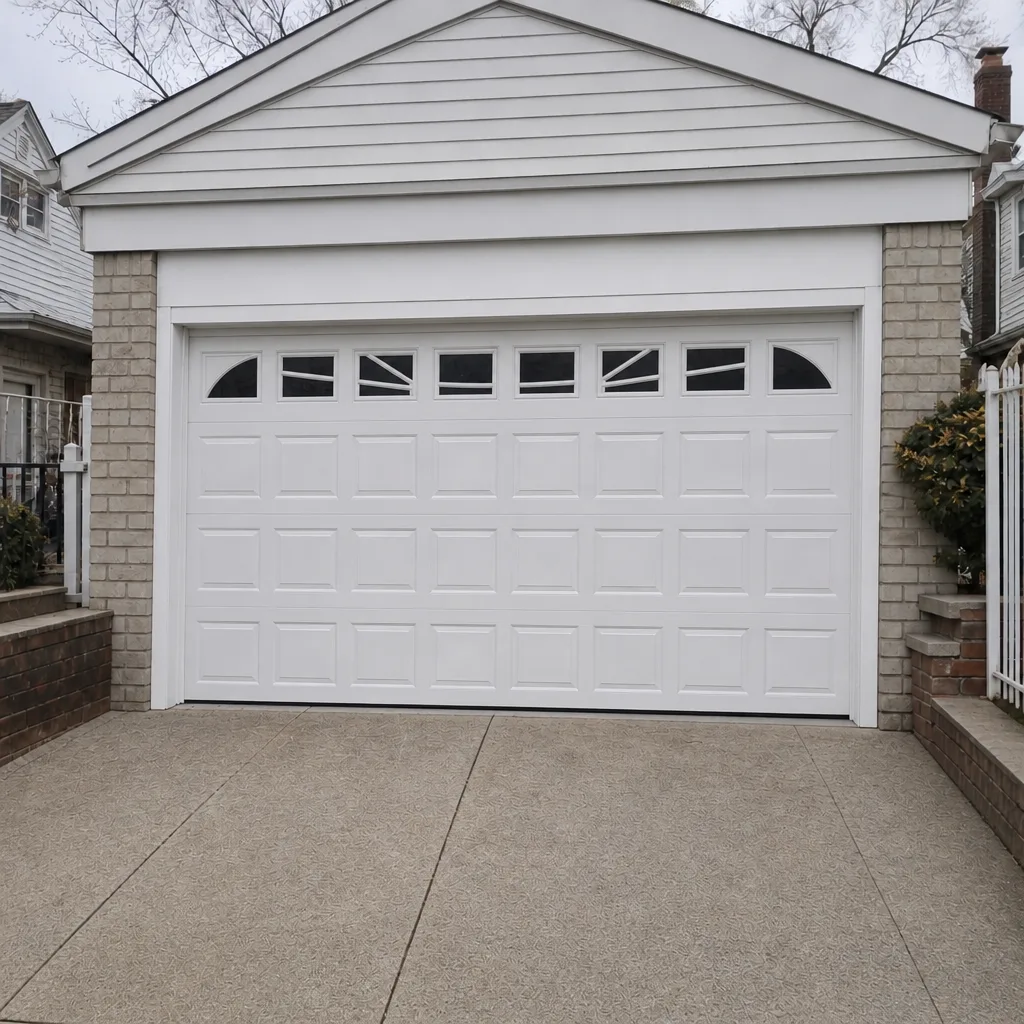
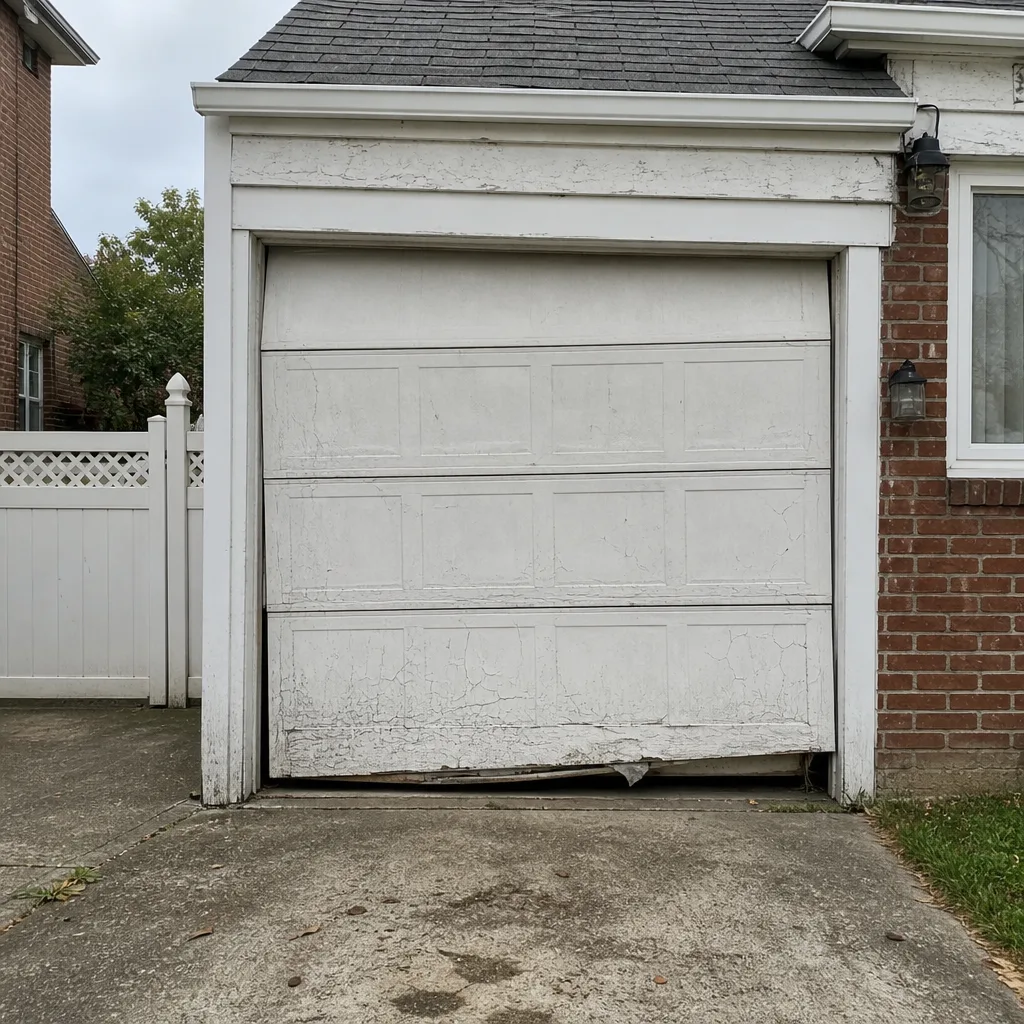
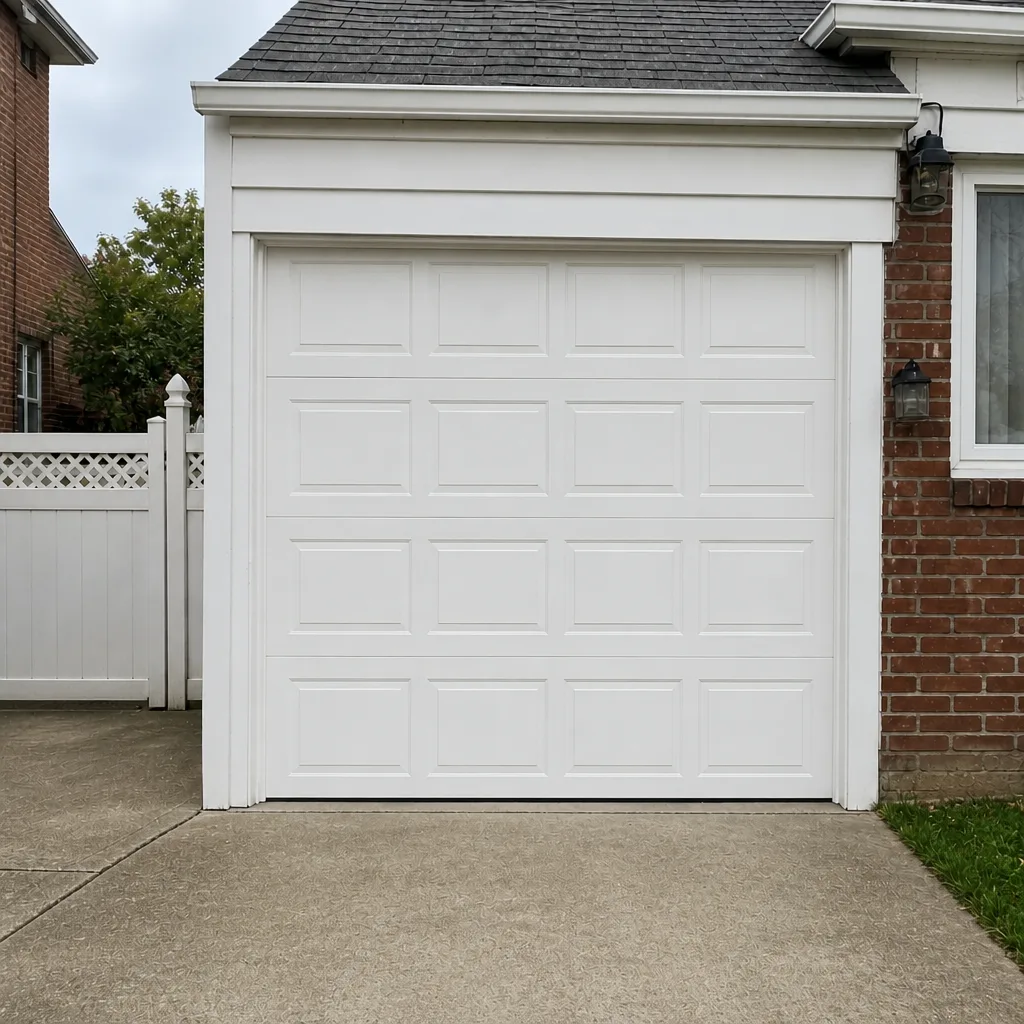
See the difference
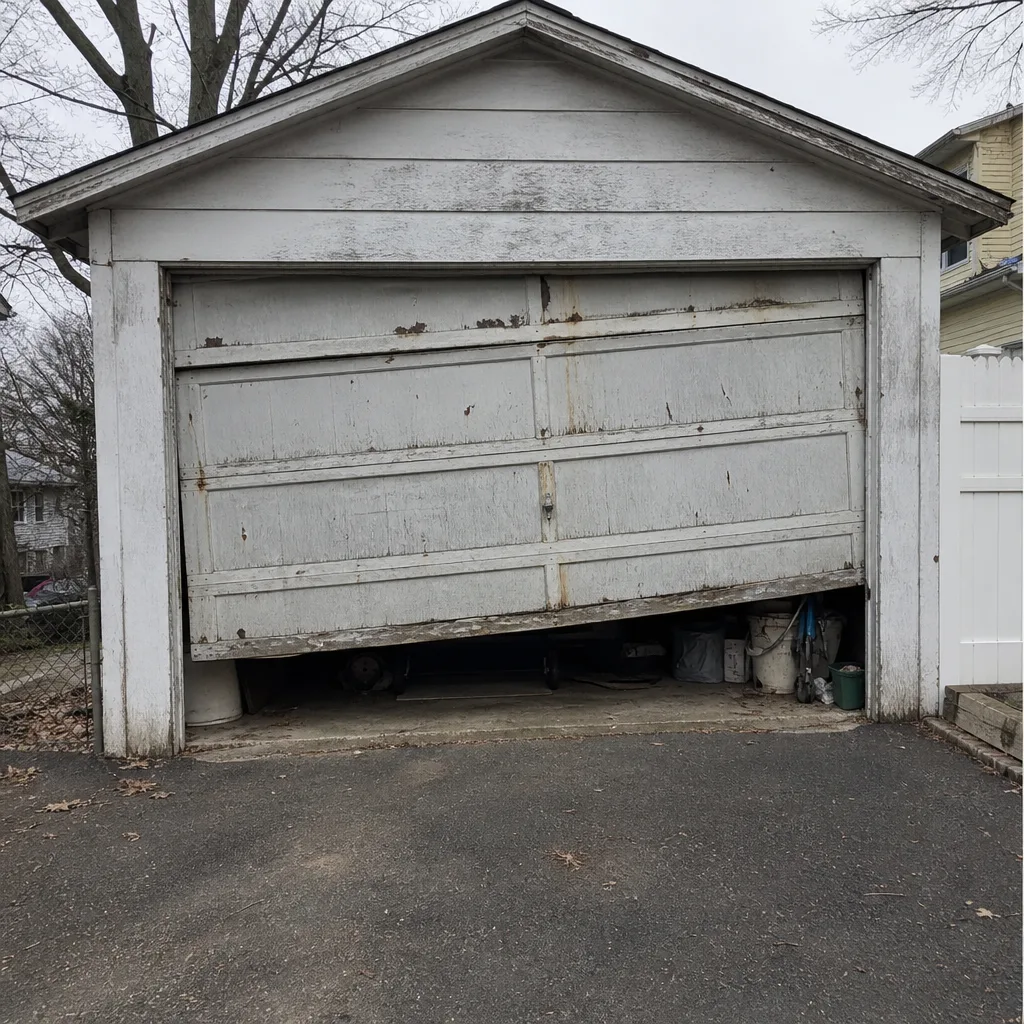 Before
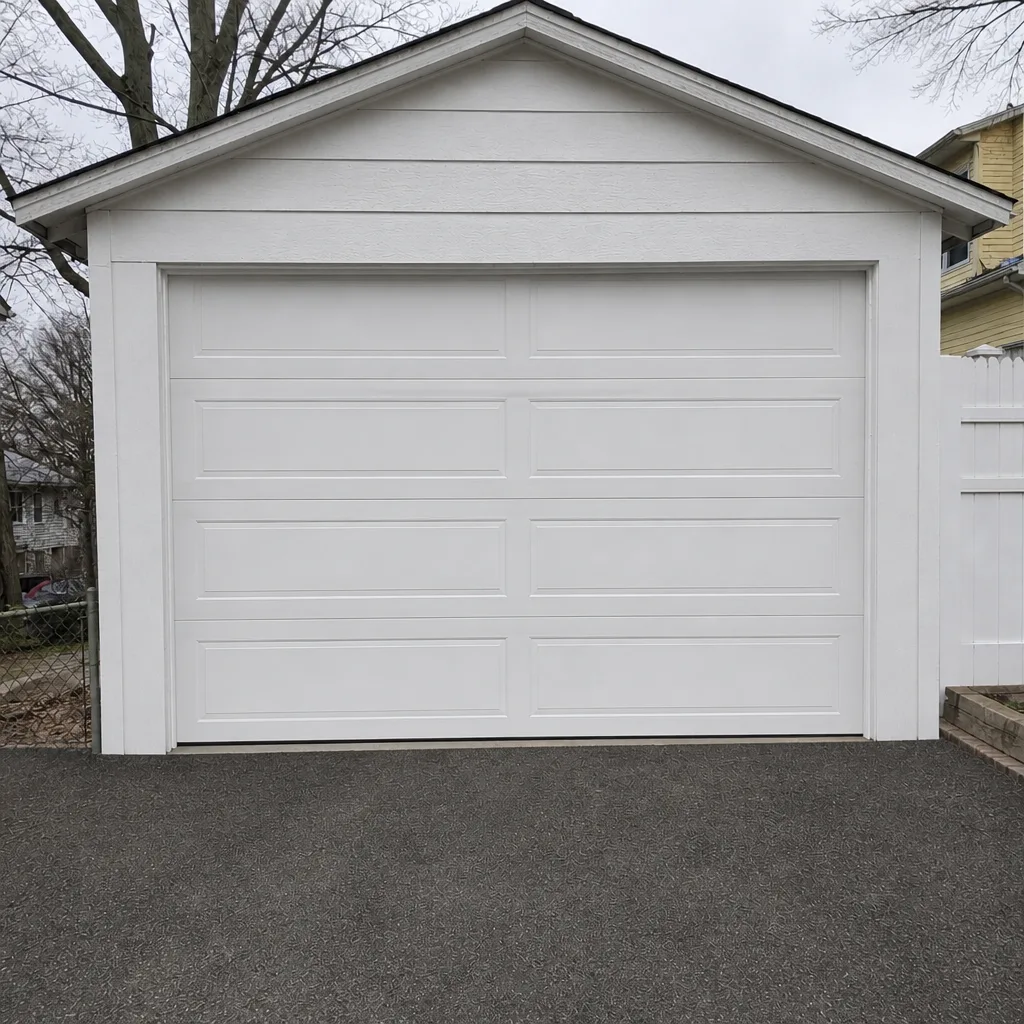 After
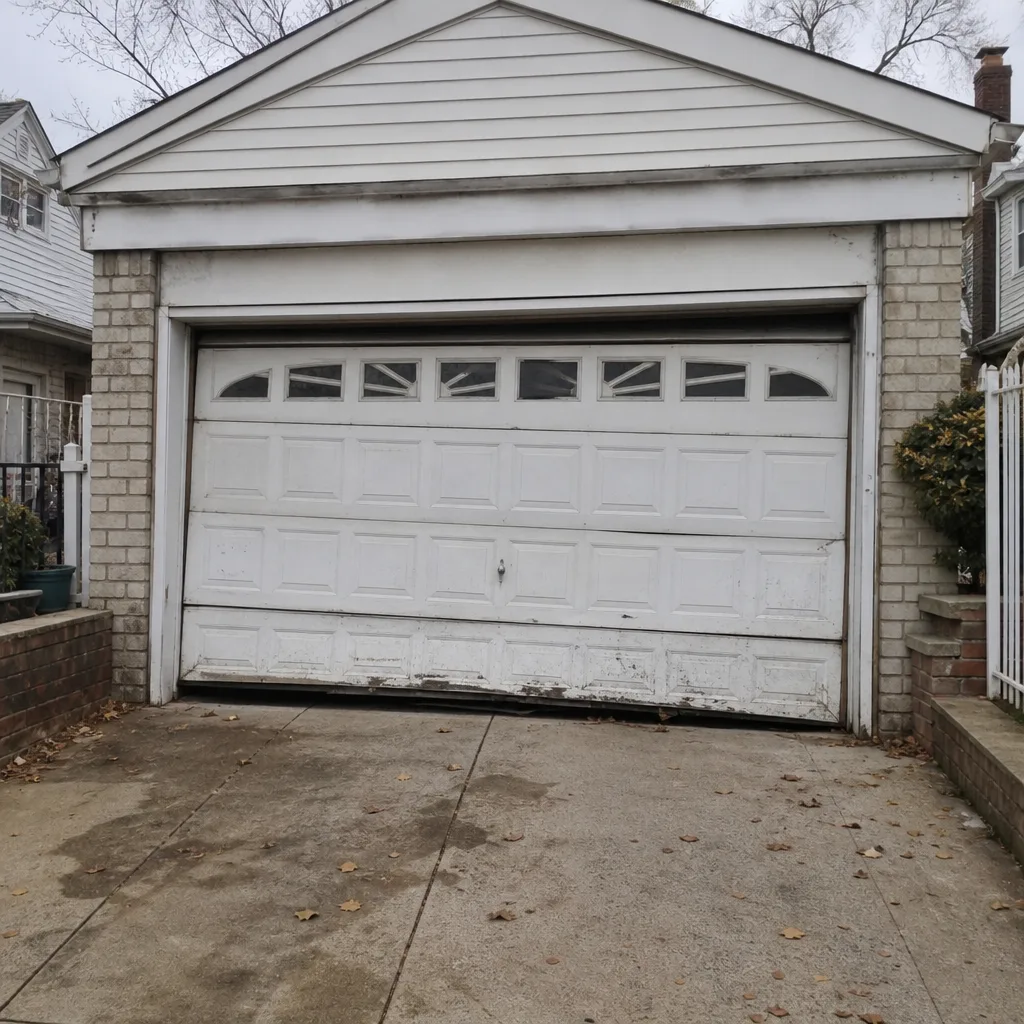 Before
 After
 Before
 After
When to Call a Professional
Some warning signs are safe to note and schedule. Others mean stop using the door and call. Call a professional now if the door has a gap in the spring coil, if the door won’t lift by hand, if the opener reverses or flashes a fault code, or if the door tracks to one side while moving. Those point at spring, balance, or safety problems that can put a car or a person at risk. For adjustments, worn seals, and noisy-but-working doors, a scheduled visit is the right call. Garage Door Repair Pelham Bay offers free estimates in Pelham Bay, and our technicians have up to 12 years of experience. Call (877) 792-6840 with what you’ve seen and heard, and we’ll tell you what it points to.
Frequently Asked Questions
A door that hesitates, moves unevenly, or sounds different than it used to is the most common early warning. Those symptoms usually trace back to a worn spring, a strained opener, or a track alignment issue. Call (877) 792-6840 and describe what you’re seeing, and an estimate is free.
A visible gap in the torsion coil, uneven coil spacing, or a door that suddenly feels heavy when lifted by hand are the signs a spring is failing or already broken. Check from the floor and never touch a wound torsion spring. If you see any of these, stop using the door and call a technician, because spring work is a specialized job.
An opener that runs and hums without moving the door usually has a stripped drive gear, a disengaged manual release, or a broken trolley connection. On LiftMaster and Chamberlain units, a flashing code on the wall control points at the specific fault. Note the flash count and call (877) 792-6840 for a free estimate.
Most warning signs map to a single component, so a spring, opener, roller, or seal fix usually keeps a structurally sound door in service. Replacement makes sense when the panels themselves are failing or the door is badly worn throughout. A technician can tell you which side of that line your door is on, and a full measure and written price comes before any installation work.
A quick look and listen once a month, plus a deeper check at each change of season, catches most problems early. Pelham Bay’s freezing winters and humid summers are hard on springs and seals, so the seasonal check matters here. If something changes between checks, call (877) 792-6840 rather than waiting for the monthly check.
We work on LiftMaster, Chamberlain, Genie, Clopay, Amarr, Wayne Dalton, Craftsman, and Raynor equipment, which covers the great majority of doors and openers installed in Pelham Bay homes. Knowing the brand up front speeds up diagnosis and parts sourcing. Call (877) 792-6840 and tell us the brand and the symptom, and we’ll take it from there.
The Bottom Line
Your garage door tells you what’s failing before it fails, if you know what to watch and listen for. A two-second hesitation, a grind from the ceiling, a scrape along the rails, a gap in the coil, or a seal that’s torn are all specific messages from specific parts. Read them early and you’ll usually turn a bigger repair into a routine one. When a warning sign points at springs, balance, or the opener, stop operating the door and let a specialist look at it. At Garage Door Repair Pelham Bay, that’s all we do: emergency response, component repair, and full garage door installation for the life of your door. For a free estimate on any of it, call (877) 792-6840. If you want a starting point for the wider picture of what we handle, our Garage Door Repair Pelham Bay services page is the place to begin, and an estimate is always free.
Written by the team at Garage Door Repair Pelham Bay.